
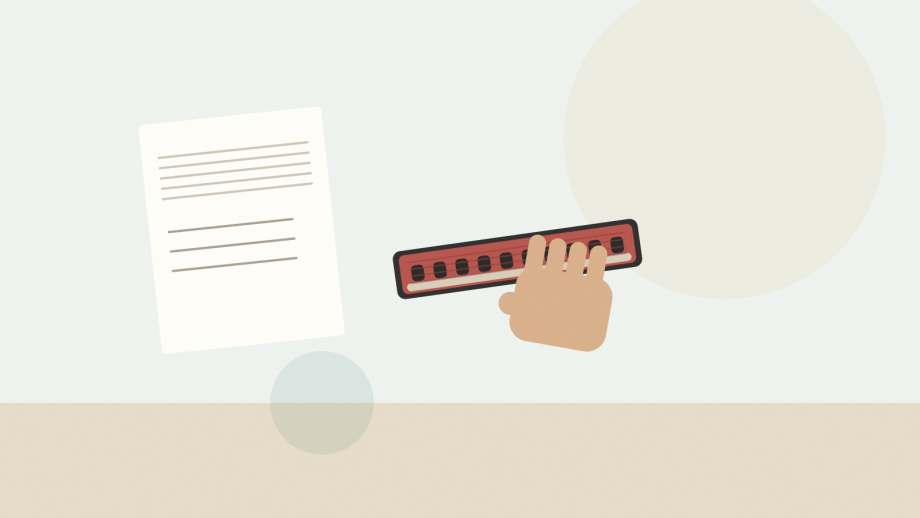
A 10-hole harmonica in C is the usual starting point because most beginner books, videos and songs assume it, and the layout gives you a full major scale without bending. This OZShopper model lists a key of C layout, ten holes, brass reeds, an ABS body, a protective case, a cleaning cloth and instructions. It does not publish reed accuracy, the tuning standard or any lesson content beyond those instructions. Treat it as an instrument to learn on rather than a guaranteed professional harp.
1. Explain what a 10-hole harmonica in C means for beginners
Ten holes, each with a blow and a draw reed, give you twenty notes. In a standard diatonic layout in C, blowing and drawing through the holes produces the notes of the C major scale, with some repeats and a gap that players learn to work around. That is why a C harp suits simple melodies and why most teaching material starts there.
The key matters because a harmonica is not chromatic in the way a piano is. If a song is in G, a C harmonica will not play it in the same way without bending notes or using a different position. Beginners usually stay in the key printed on the instrument until they learn those techniques.
Brass reeds and an ABS body are listed, which describes common materials rather than a performance grade. The listing does not state reed thickness, gap settings or tuning tolerance. Those details affect how easily the instrument bends and how it feels to play, but they are not published, so do not read the materials list as a quality guarantee.
The compact size and included case make it easy to keep in a bag or a drawer. That is a real advantage for practice, because an instrument you can carry is an instrument you play.
2. Show a gentle first-note practice plan
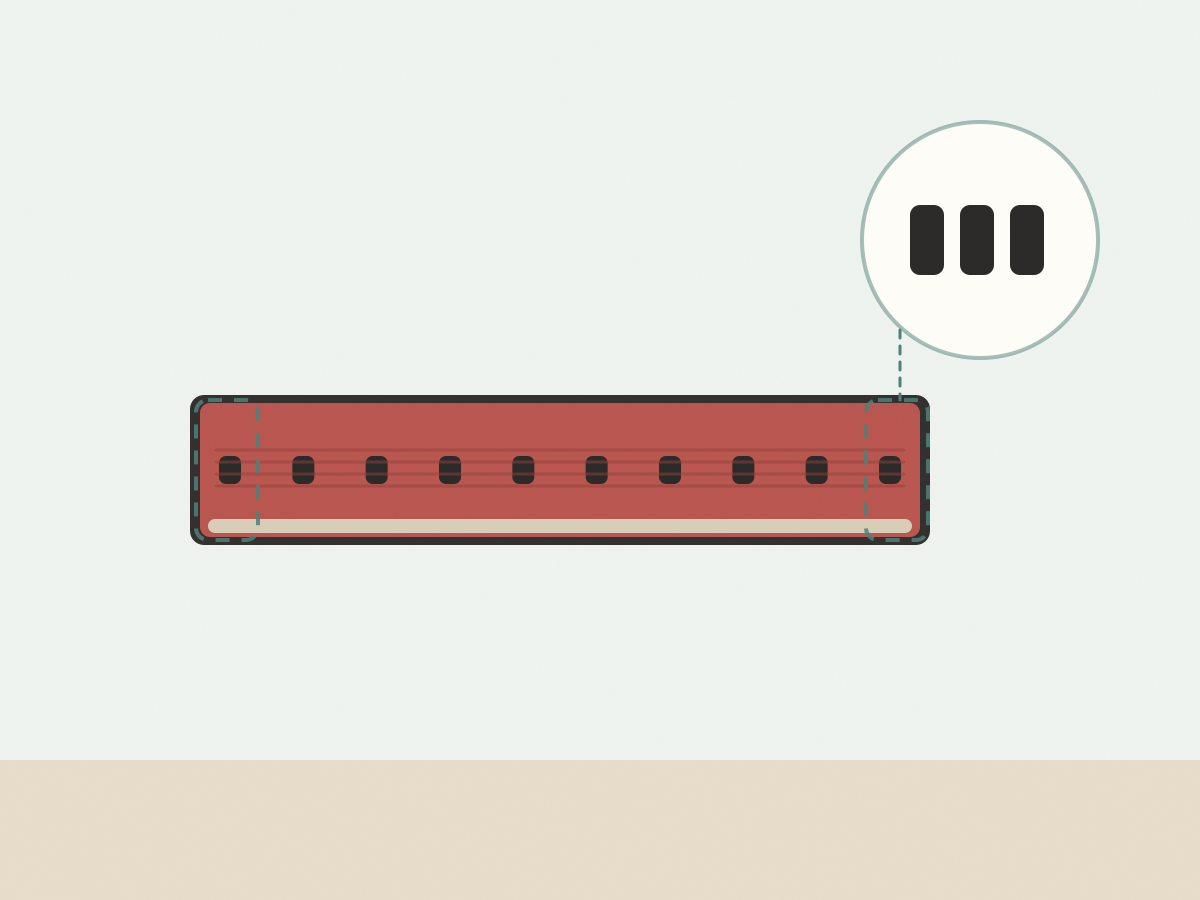
Start with one clean note rather than a song. Hold the harmonica with the numbers or the low notes on the left, cover the holes you are not using with your lips, and breathe gently through a single hole. On a C harp, hole four blow is a C and hole four draw is a D. Those two notes are enough for a first session.
Move slowly along the first four holes, blowing and drawing each one, and listen for a clear note rather than a chord. If two notes sound at once, your mouth is covering more than one hole. Adjust the angle and try again rather than blowing harder.
Ten minutes of careful practice is more useful than an hour of guessing. Finish while your lips still feel comfortable, and write down which hole gave you trouble. The included instructions may cover the layout; if they do not, a beginner chart for a C diatonic harp is easy to find.
Do not worry about bending notes in the first week. Bending is a technique that takes time, and it is easier once single notes are reliable.
3. Discuss grip and breath control
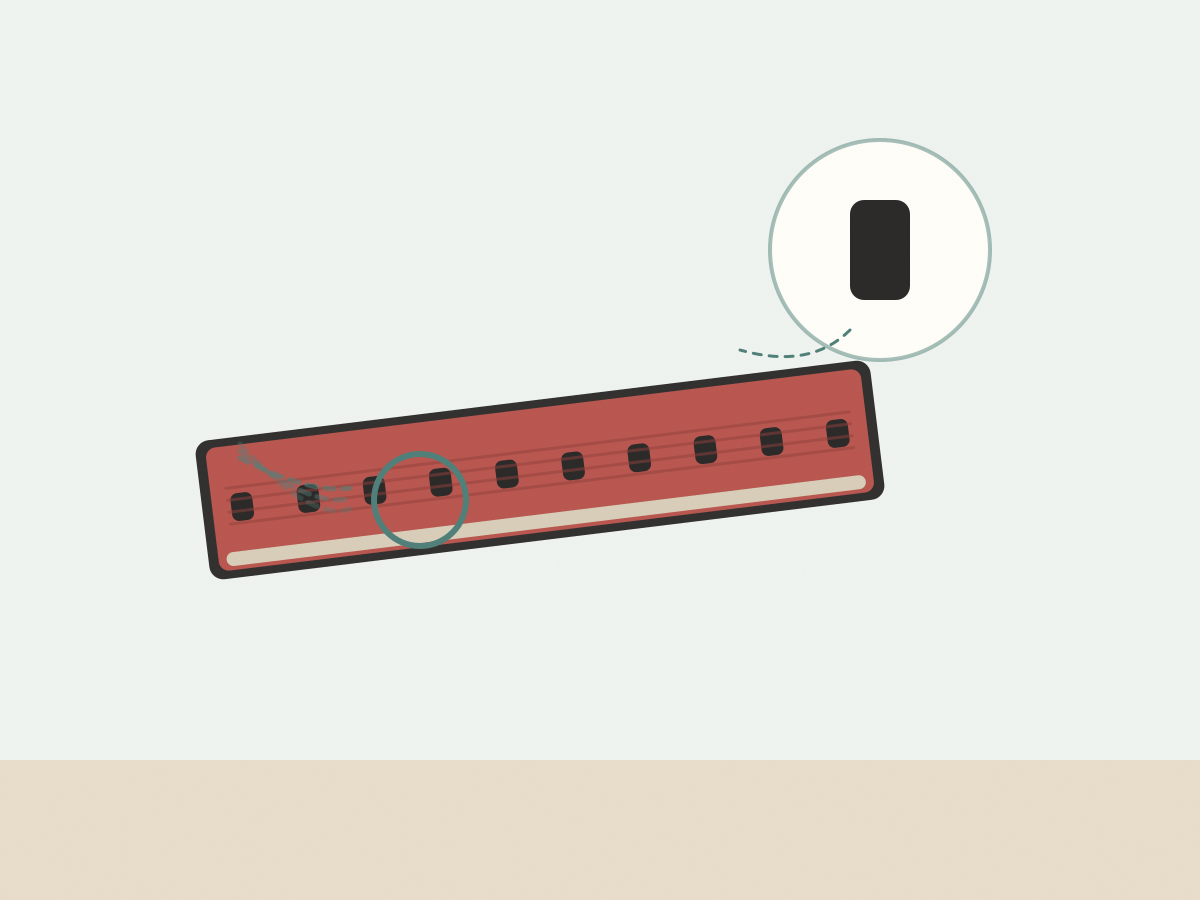
Hold the harmonica lightly between your thumb and fingers, with your hands cupping the back if you want a slightly darker sound. A tight grip tires your hands and makes it harder to move between holes. Keep your wrists relaxed.
Breathe from your diaphragm rather than snatching air with your chest. A steady, gentle airflow produces a steadier note and keeps the reeds from sounding harsh. If you feel dizzy, stop and rest; playing a wind instrument uses muscles you may not be used to.
Moisture is normal. Warm the instrument in your hands before playing in cold weather, and tap it out over a sink afterwards rather than blowing hard into it. The listing does not describe a moisture valve or a sealed comb, so treat the internals as delicate.
Avoid sharing the harmonica. Even with cleaning, a wind instrument carries saliva, and it is a personal item in the same way a toothbrush is.
4. Cover simple cleaning and storage
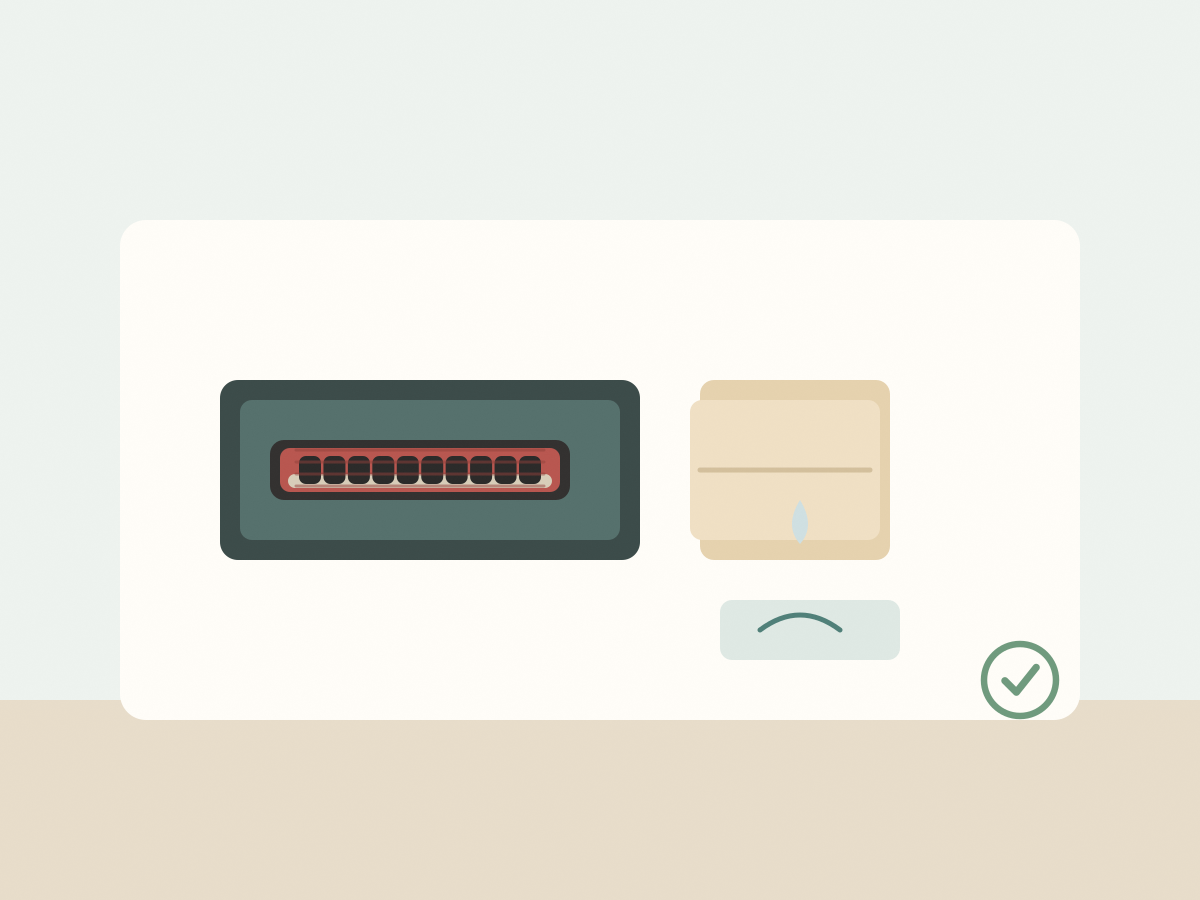
The listing includes a cleaning cloth and a protective case, but it does not give a cleaning routine. A safe approach is to tap the harmonica against your palm to remove moisture, wipe the cover plates with the cloth, and leave it to air dry before it goes back in the case.
Do not soak the instrument or put it in a dishwasher. Water can reach the reeds and the comb, and the listing does not state that the body is waterproof. If the harmonica needs more than a wipe, ask the seller for the approved method rather than guessing.
Store it in the case, away from heat and direct sun. A car glovebox is a bad home for any instrument, because heat can affect the reeds and the body. Keep the case dry and avoid leaving the harmonica loose in a bag where keys and coins can scratch it.
The 10-hole harmonica in C is a low-risk way to try the instrument, provided you expect to learn rather than perform immediately. Check the key, the included accessories and the return terms before you buy.
Before you buy: a short checklist
- Confirm the harmonica is in the key of C.
- Check that it has ten holes and a standard diatonic layout.
- Ask what the instructions actually cover.
- Confirm the case and cleaning cloth are included.
- Ask whether the reeds are brass and the body ABS.
- Check the seller’s cleaning recommendations.
- Decide whether you need a different key for your songs.
- Check the current price, stock and shipping on the listing.
Two common questions
Is the listed harmonica in the key of C?
Yes. The product title and description both state the key of C, and the ten-hole layout is aimed at beginners.
Does the package include beginner lessons?
Instructions are listed, but no lesson book, video course or teacher support is mentioned. Ask what the instructions contain if you are starting from scratch.