

Measure the biggest container you actually carry before choosing a lunch bag. The useful number is the internal space, not the outside footprint, and a bag that fits a bento box flat may still be too shallow for a drink bottle. This listing gives 25 x 20 x 9 cm and describes a gaming-themed insulated bag with an Oxford cloth shell, foil lining and a handheld shape. The seller calls it waterproof and leakproof, but the listing does not give an internal measurement, a leak test, a holding time or an ice pack.
1. Measure lunch containers against the bag
The stated 25 x 20 x 9 cm is the starting point, but the listing does not say whether it measures the outside or the lining. Treat it as an outside guide until you can check the bag. The 9 cm depth is the number most likely to cause trouble, because a bento box with a domed lid, a yogurt tub or a wide bottle can be deeper than it looks.
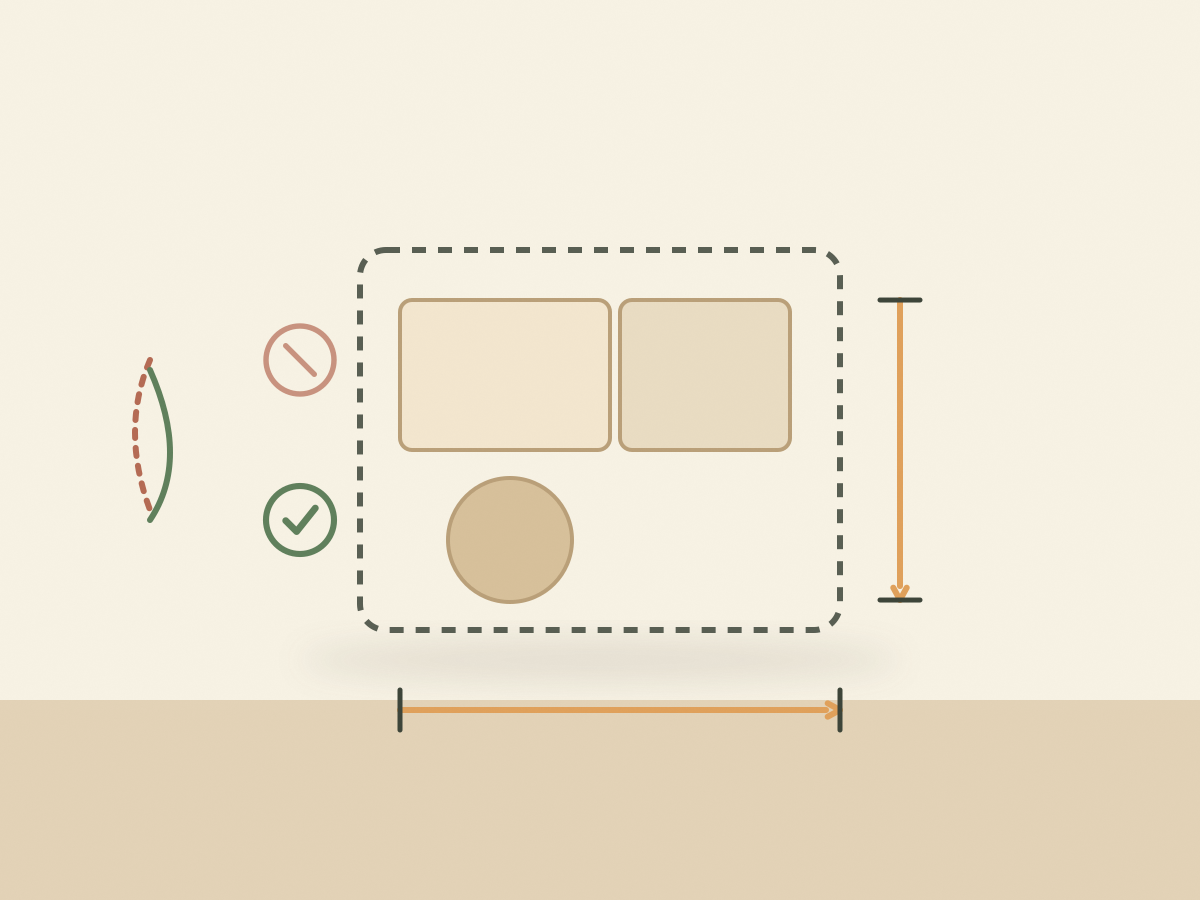
Measure your main container across the base and at its tallest point, including the lid. Add a centimetre or two for the lining and the zip. If the container only fits diagonally, it will slide and tip during the day.
Then measure the drink bottle. A tall bottle may fit lengthwise but leave no room for food, while a wide bottle can crowd the corner. Put the containers on a piece of paper, draw the 25 x 20 cm footprint and see how they sit together.
Leave space for an ice pack if you plan to use one. The listing does not say whether an ice pack is included, so check the contents. A bag packed to the zip with no spare room has nowhere for a chill pack.
2. Discuss daily school and office packing
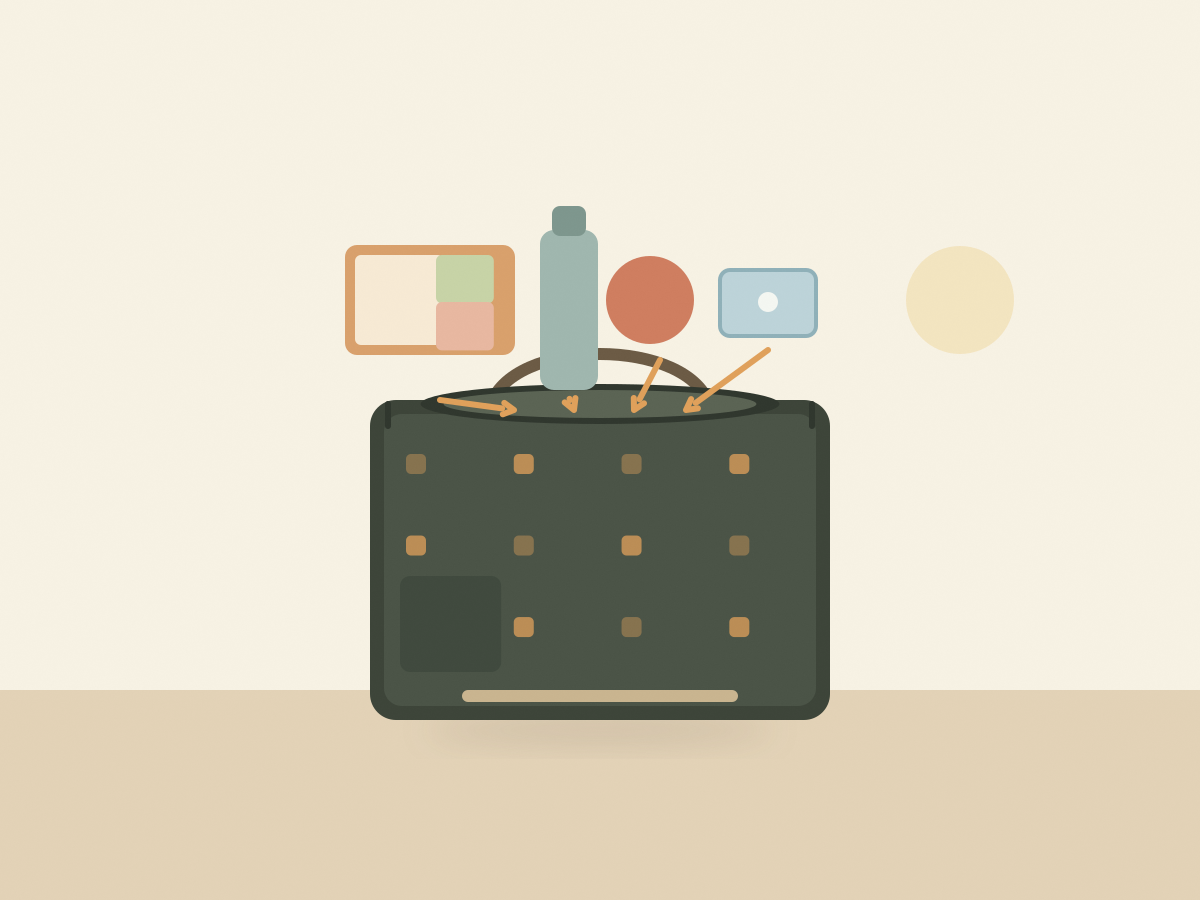
A workable daily pack has one main dish, one snack and a drink, with a little room for a napkin or cutlery. Start with the heaviest item at the bottom, then fill the gaps rather than stacking loose items on top.
Keep the drink upright. A bottle lying across the bag can press into a sandwich and, if the lid is not tight, wet everything else. Use the side pocket for the bottle only if it is deep enough to stop the bottle tipping out.
Pack perishable food with a chill pack and follow your local food-safety guidance. Do not leave the bag in direct sun, in a hot car or beside a heater. The seller says the insulation keeps meals cool or warm for hours, but the listing gives no test method or time, so treat that as a seller claim and plan around it.
For school, keep the pack simple enough that a child can open it without help. Practice the zip and the container lids at home. A bag that is hard to close may be left open, which defeats the insulation and invites spills.
3. Check insulated construction and cleaning guidance
The listing describes a high-density Oxford cloth outer and a premium aluminium foil lining. Foil-lined bags are common for short trips: the foil reflects some heat and the foam or padding behind it slows transfer. The thickness of that padding is not stated, so do not expect the performance of a hard cooler.
Wipe the lining with a damp cloth and mild soap after each use. Do not soak the bag or put it in a dishwasher, because water can get behind the lining and into the padding. Dry it fully before closing, especially along the seams and the zip.
The seller calls the bag waterproof and leakproof. Those are strong claims for a fabric bag with a zip, and the listing does not show a test. Use sealed containers for anything liquid, and carry a bottle separately if a leak would ruin the day. A leakproof claim is not a substitute for a tight lid.
Check the stitching around the handle and the zip after the first week. If the zip sticks, clean the teeth rather than forcing it.
4. Plan dry storage between uses
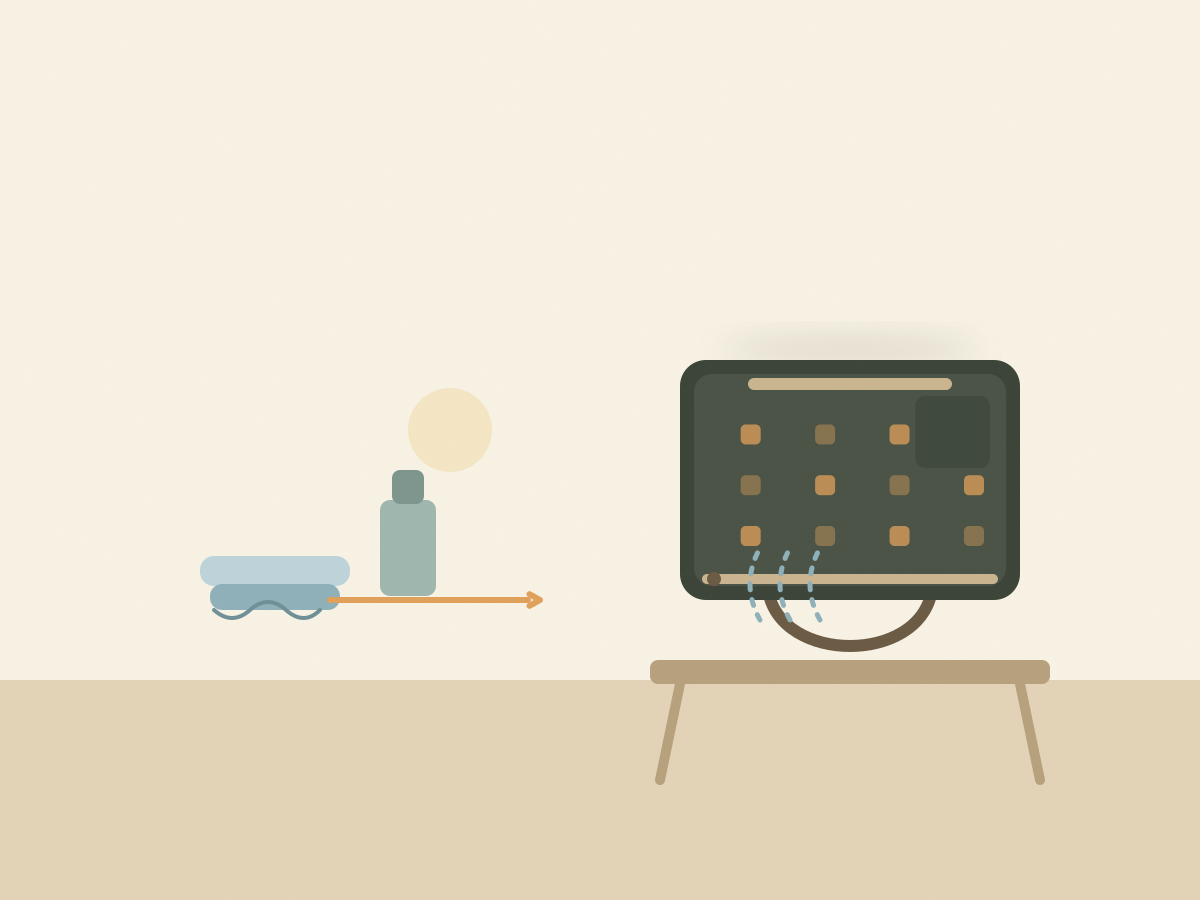
Empty the bag as soon as you get home. Crumbs and fruit scraps left inside can trap moisture and smell. Turn the bag inside out if the lining allows it, and leave it open in a dry, airy spot until the lining feels completely dry.
Do not store the bag closed and damp in a school locker or a cupboard. That is how mildew starts. If the bag has a hanging loop, use it so air can move around the lining.
Keep the bag away from strong heat. A bench beside an oven or a car boot in summer can soften the lining and shorten its life. Wash the outside with a damp cloth, and avoid abrasive cleaners that could damage the printed pattern.
Before the next use, check that the bag is dry and odour-free. A quick wipe and a full air-dry take less time than replacing a bag that has developed mildew.
The handheld insulated lunch bag suits a simple school or office pack if your containers fit the 25 x 20 x 9 cm guide and you use sealed lids. Confirm the internal size and whether an ice pack is included before you rely on it for a full day.
Before you buy: a short checklist
- Measure your main container, including the lid.
- Check the bottle height and width against the bag.
- Ask whether 25 x 20 x 9 cm is internal or external.
- Confirm whether an ice pack is included.
- Check for a side pocket and a secure zip.
- Plan to use sealed containers despite the leakproof claim.
- Check that the lining can be wiped and air-dried.
- Check the current price, stock and shipping on the listing.
Two common questions
Is an ice pack included?
The listing does not say. Check the box contents or ask the seller before relying on one.
Is the bag leakproof?
The seller describes it as leakproof, but the listing gives no test or rating. Use sealed containers for liquids.