
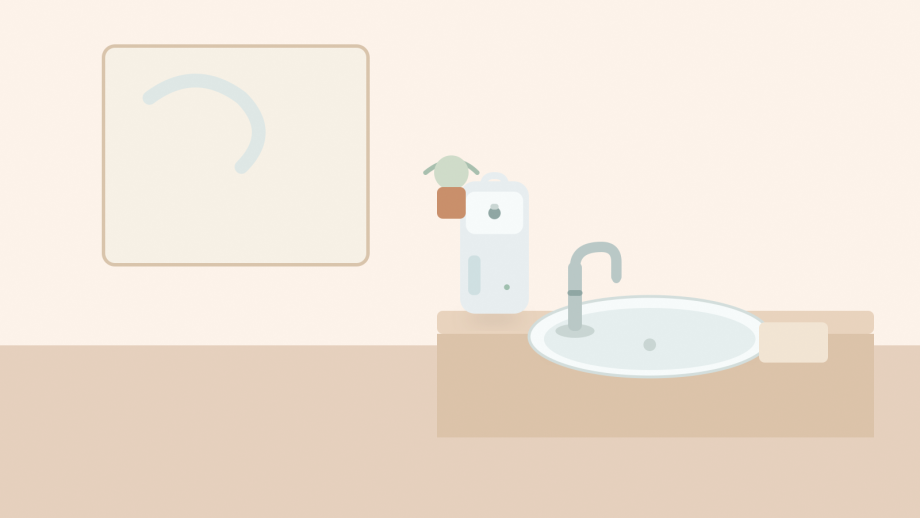
A foaming dispenser is a different product from a pump bottle. It mixes air with soap so a small amount feels like lather, and it usually needs a foaming soap or a diluted refill rather than a thick gel. This model lists 380mL, four dose settings, a 0.25-second sensor response, USB-C charging and an IPX7 claim. The listing does not give a dilution ratio, a battery runtime or an independent waterproof test, so settle those questions before buying.
1. Check that the product is a foaming dispenser
Foaming dispensers have a small air pump and a mesh or sponge element that turns liquid into foam. A thick hand gel may not pass through that mechanism, and a soap that is too thin may run straight out. The safest refill is a soap sold specifically for foaming dispensers, mixed exactly as its label directs.
The listing does not state a dilution ratio for ordinary liquid soap. Do not guess. Ask the seller or follow the manual, because the wrong ratio can produce watery foam, a weak pump or a clog. If you want to use a favourite soap, test a small batch and check that the dispenser produces foam rather than drips.
Foam also changes how much soap you use. A single pump may cover both hands with less liquid than a gel pump, which is useful in a busy bathroom.
Keep the refill clean. Rinse the reservoir between different soaps, and do not mix brands in the same fill.
2. Compare four adjustable levels
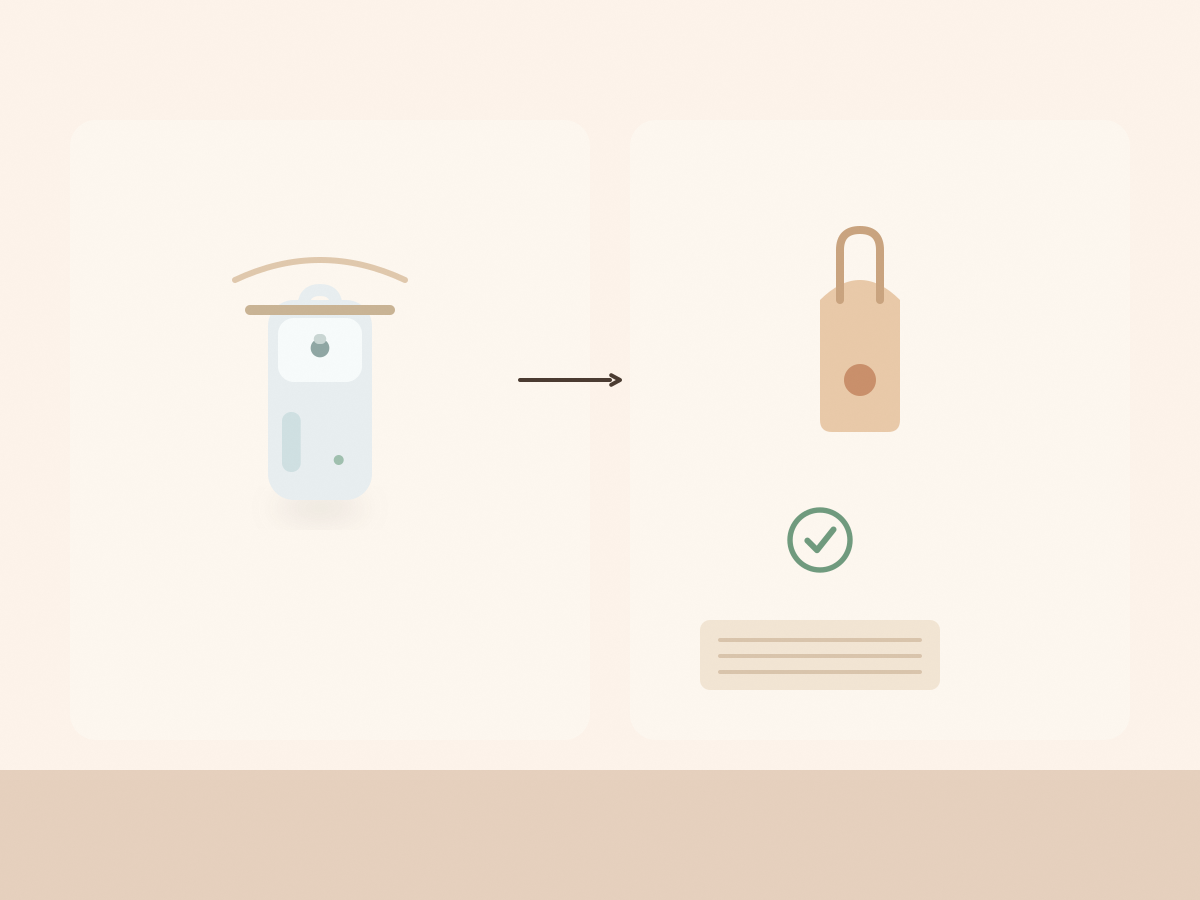
The four settings are described as 0.3, 0.8, 1.5 and 2.0 seconds of dispensing. A short burst suits a quick hand rinse; a longer burst suits a child, a messy kitchen task or a sink where the soap needs to reach further.
More soap is not always better. A long burst can waste liquid and leave a slippery residue on the basin. Start on the shortest setting and move up only if you need more.
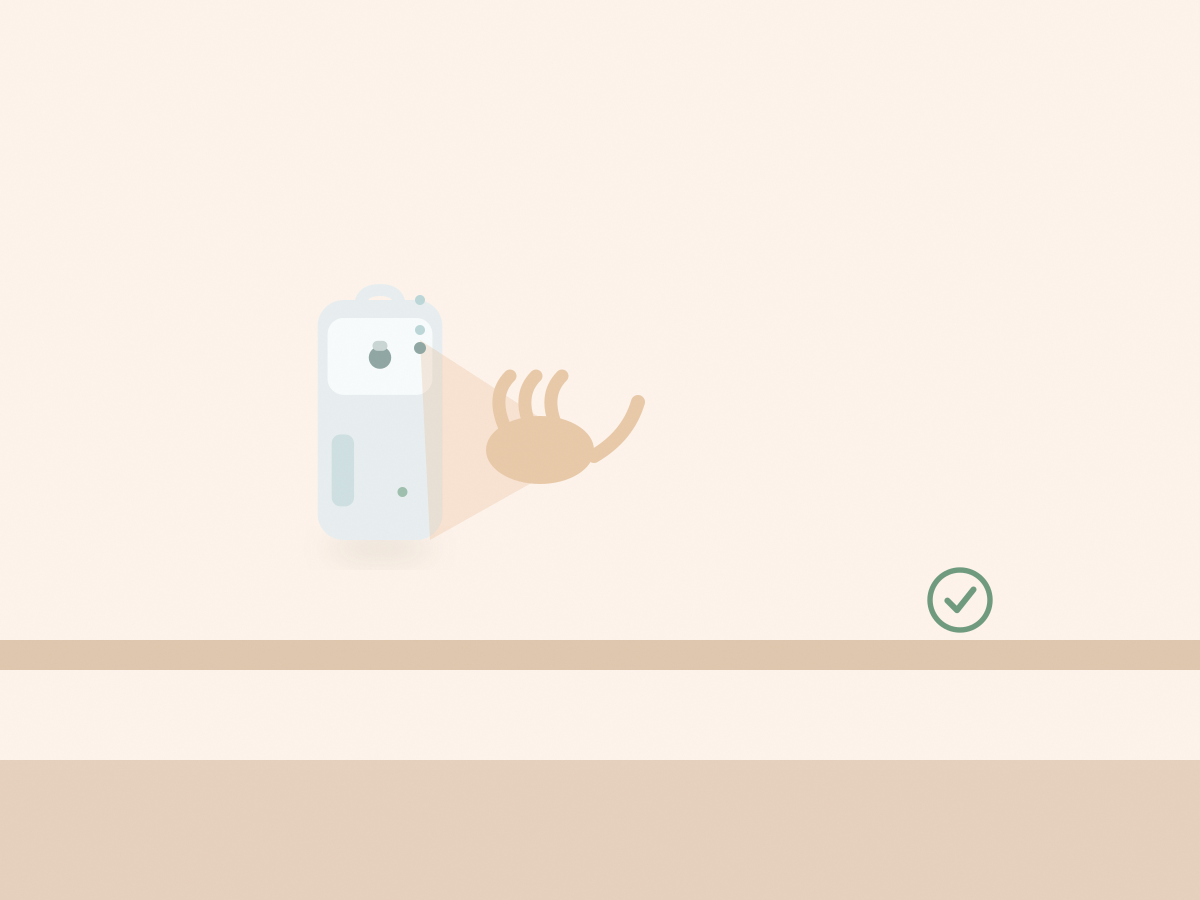
The sensor is described as responding in 0.25 seconds. That is quick enough to feel touchless, but it also means the dispenser may trigger when a hand passes nearby or when a reflective surface confuses the infrared beam. Watch where you place it before deciding the sensor is faulty.
Children often enjoy the touchless action, which can lead to repeated dispensing and a puddle on the counter. If that is a concern, choose a lower level and keep the dispenser away from the edge of the basin. The listing does not state a child lock, so supervision is the practical control.
3. Verify USB charging and 380mL capacity
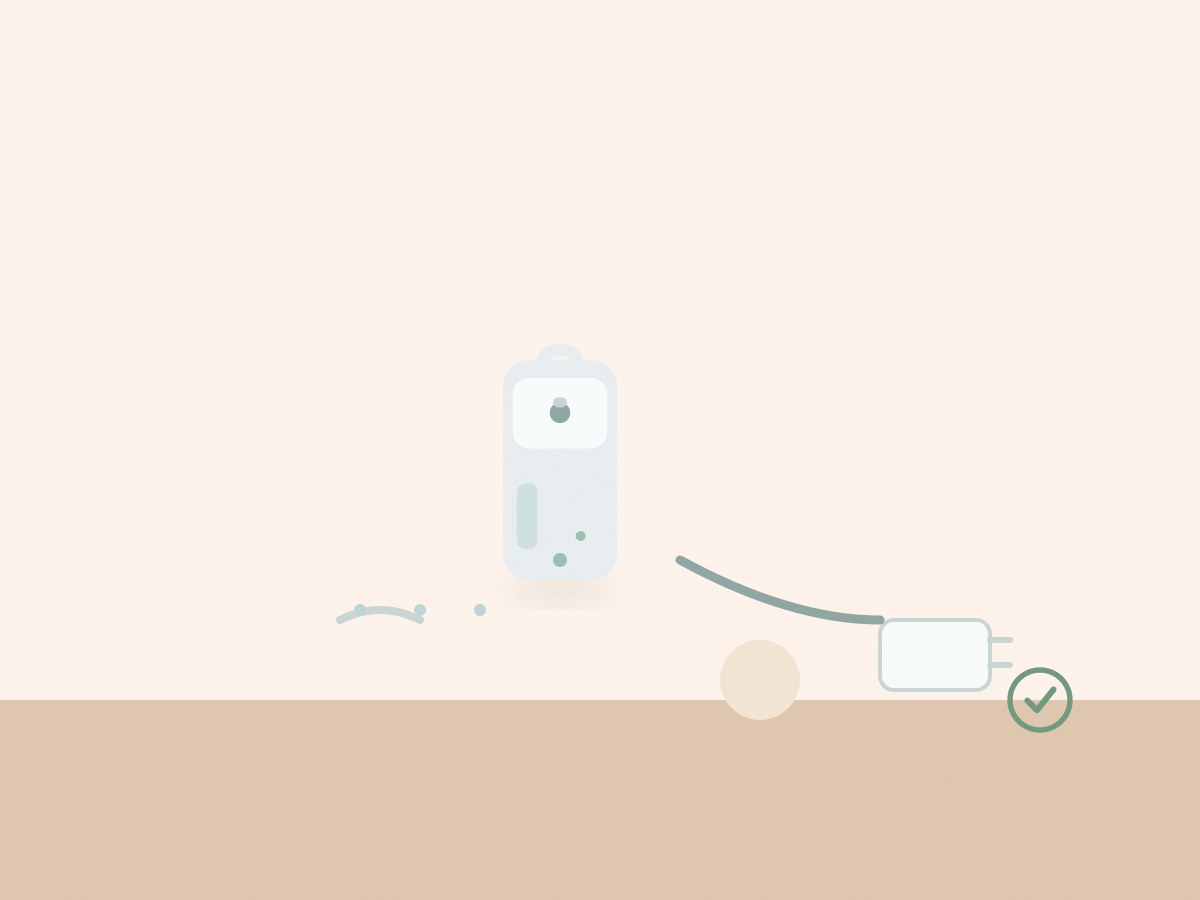
The listing says the dispenser has an 800mAh battery and takes about two to three hours to charge by USB-C. It does not state how many days or doses a full charge provides, and that number will depend on how often the dispenser runs and which dose setting you use.
Charge it before the first use and note how long the battery lasts in your household. Keep the charging cable where you can find it, and do not charge the unit while it is wet or sitting in water.
The 380mL reservoir is a moderate size. It holds enough for a family bathroom without being so large that the dispenser becomes heavy or bulky. Check that you can lift the lid and reach the fill line without removing the whole unit from the counter.
The listing does not state whether a USB-C cable is included. Confirm that before you buy, especially if you do not already have a spare. Also check the charging port location: a port on the underside can be awkward if the dispenser sits close to a splashback.
4. Plan placement and cleaning around a sink
The seller claims an IPX7 waterproof rating, which sounds reassuring, but the listing does not include a test report. Treat the claim as a seller description and keep the unit out of standing water. Wipe it with a damp cloth rather than rinsing it under the tap, and dry the charging port before plugging it in.
Place the dispenser beside the basin, not behind the tap where the sensor is blocked. Leave enough room for a hand to pass under the nozzle without touching the spout. If the counter is dark or highly reflective, test the sensor before fixing the position, because some infrared sensors behave differently on glossy surfaces.
Keep the dispenser away from direct steam from a hot shower and from the edge of a bath where it could be knocked in. A strip of removable mounting tape can stop it sliding, but check that the tape is suitable for the counter material and that it does not trap water underneath.
Clean the nozzle regularly. Dried soap can block the foam screen and reduce output. Remove the reservoir, rinse it, and wipe the nozzle with a soft cloth. Do not push a pin into the nozzle unless the manual says to, because you may damage the mesh.
The touchless foaming soap dispenser suits a bathroom or kitchen where you want a measured dose without touching a pump. Confirm the soap type, the dilution guidance and the battery runtime before you rely on it daily.
Before you buy: a short checklist
- Confirm it is a foaming dispenser, not a gel pump.
- Use a foaming soap or follow the manual’s dilution ratio.
- Check that the four dose settings suit your household.
- Ask for the battery runtime, not just the charge time.
- Confirm whether a USB-C cable is included.
- Treat the IPX7 rating as a seller claim.
- Test the sensor on your counter before fixing the position.
- Check the current price, stock and shipping on the listing.
Two common questions
What capacity is advertised?
380mL. The listing does not state how many doses that provides.
Which soap formulations work with it?
The listing does not specify. A foaming hand soap is the intended type; for ordinary liquid soap, follow the manual’s dilution guidance rather than guessing.