
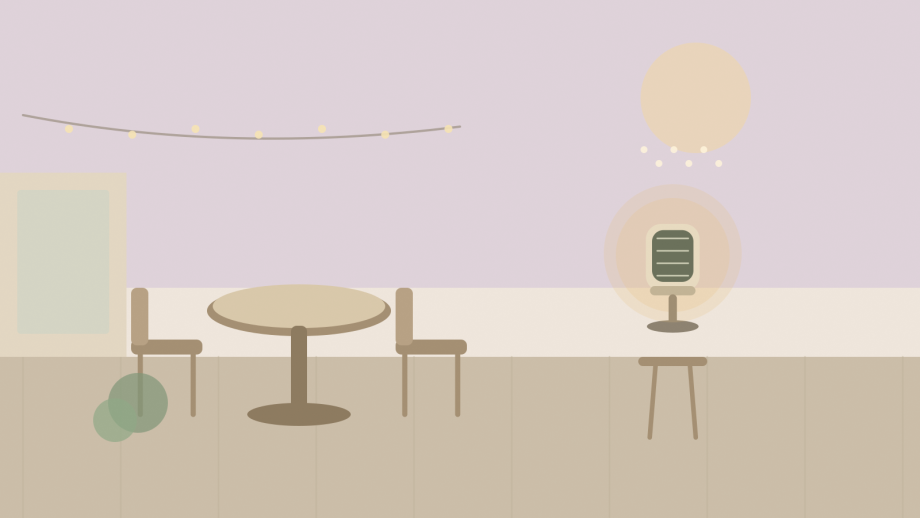
Place a bug zapper at the edge of the patio, away from the table, and treat it as a supplementary light-and-trap device rather than a mosquito cure. This model lists two zapping modes, three lighting modes, a 5000mAh battery, solar and USB charging, and an ABS housing. The seller calls it waterproof and safe around children and pets, but the listing gives no IP rating, no electrical approval and no independent effectiveness test.
1. Separate the advertised bug-zapper, lamp and charging functions
The listing describes a three-in-one product: a bug zapper, a reading lamp and a light with an RGB mode. Those functions share a body and a battery, but they are not equally useful. The zapper has two modes, described as Grade 1 and Grade 2, with the second called stronger. The lamp has low and high reading brightness plus an RGB mode.
Think about which function you will actually use. If the main goal is lighting a dinner table, a dedicated outdoor lamp may be better. If the goal is reducing insects near a doorway, the zapper mode matters more than the RGB display.
The seller says the voltage grid is wrapped in an ABS casing to reduce shock risk. That is a design description, not a safety certification. Treat the device as electrical equipment: keep it away from children, do not touch the grid, and do not use it with damaged housing or a damaged cable.
Do not expect the zapper to clear a whole yard. The listing makes no verified claim about catch rate, coverage area or which insects it kills. Use it as one layer alongside screens, repellent and removing standing water.
2. Choose a patio position away from seating and reach
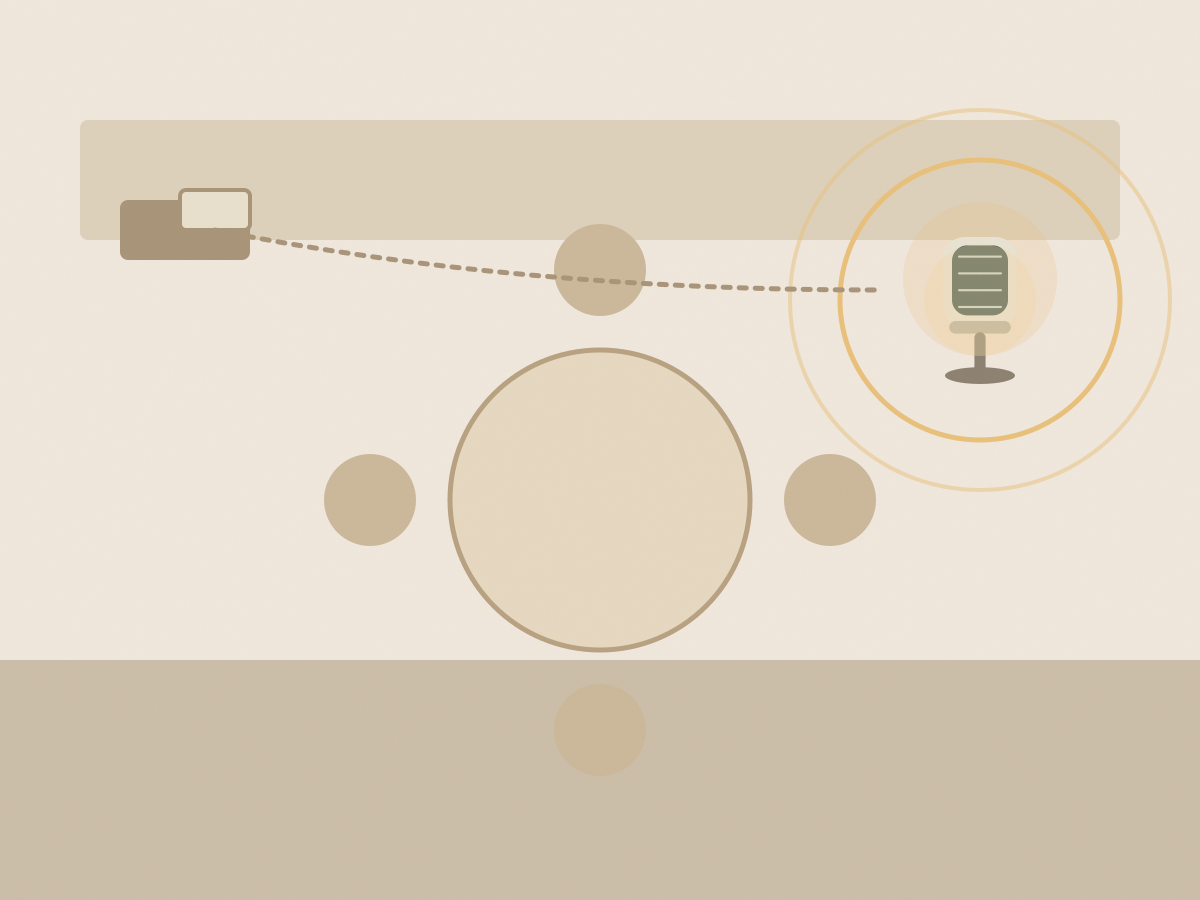
Put the device at the perimeter of the seating area, not on the table and not directly behind someone’s head. The light should not shine into faces, and the grid should be out of arm’s reach. A position near the edge of the patio also keeps dead insects away from food.
Height matters. A low position can be kicked or tripped over; a high position may be hard to clean. Choose a stable surface or hang it from a bracket that can carry the weight, and keep the cable or stake clear of walkways.
Think about wind and rain. A sheltered spot under a pergola reduces direct rain but can also trap heat. Do not place the device where water collects or where a downpipe drips onto it.
If children or pets use the patio, secure the device above their reach and keep the cable tidy. The seller’s claim that it is safe for children and pets is not independently verified, so supervision and physical distance are the practical safeguards.
3. Verify solar and USB charging claims
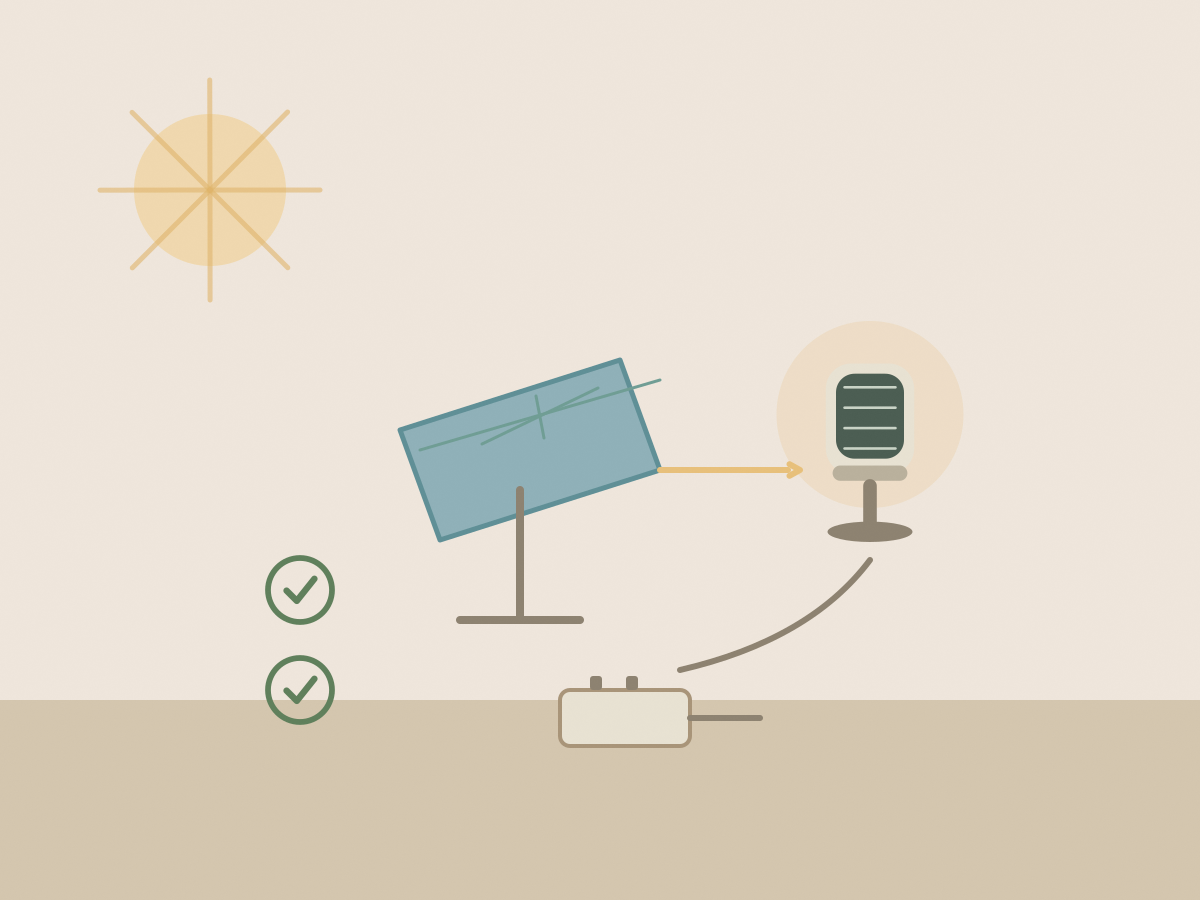
The listing says the device has a 5000mAh battery and can be charged by solar or USB. It does not state the solar panel wattage, the charging time or the runtime in either zapper mode. Those numbers decide whether the device suits an all-evening patio session or a short burst.
Solar charging is usually a top-up rather than a full recharge, especially on a shaded balcony. Charge by USB before the first use, then see how the battery behaves over a few evenings. Keep the charging port cover clean and dry.
The title says it is not restricted by sockets, which is true only while the battery has charge. If you plan to run it every night, check how long a full charge lasts and how long a recharge takes. A spare power bank can extend a session, but it is another item to manage.
Do not leave the device charging on a wet surface or in direct sun for long periods. Follow the manual for the correct charger and voltage, and stop using the battery if the housing becomes hot or swollen.
4. Plan cleaning and weather-aware storage
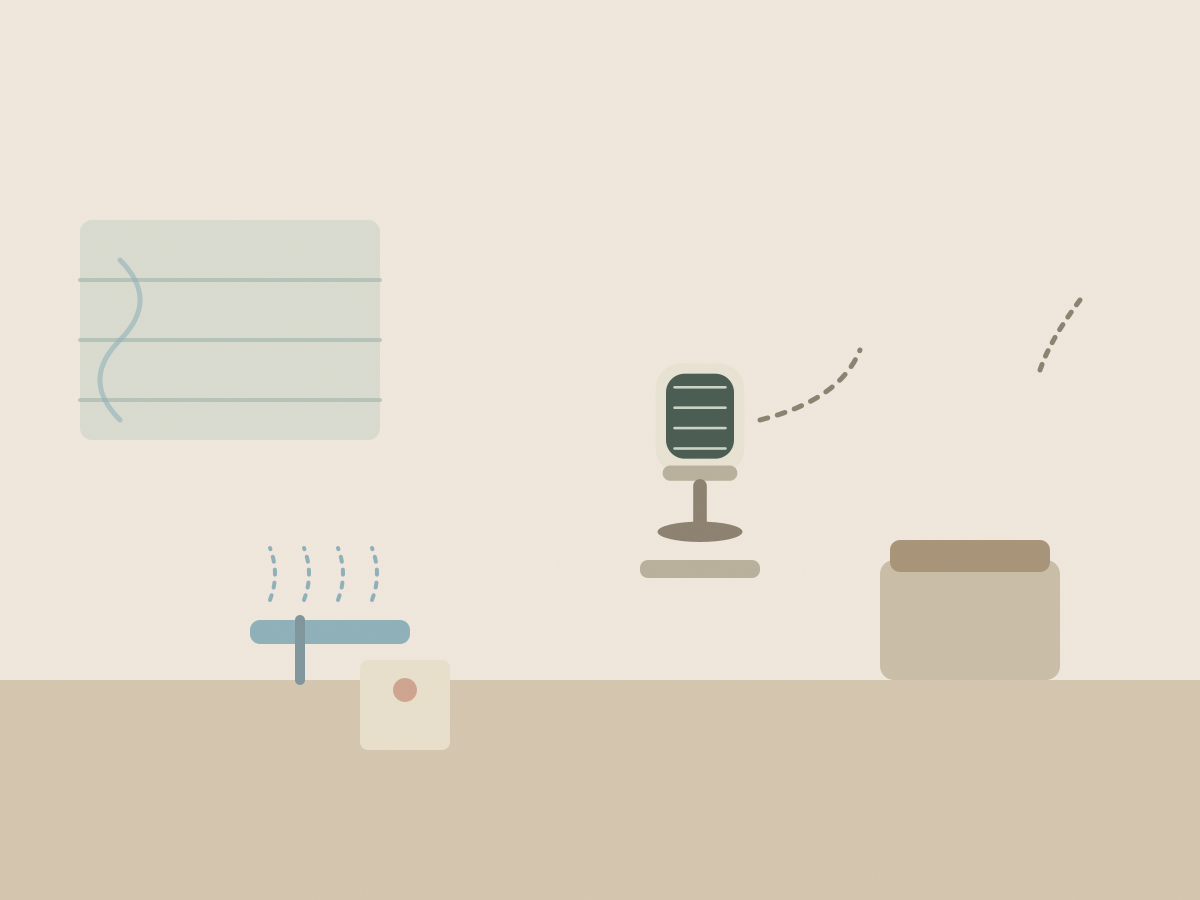
The seller describes the housing as waterproof, but no IP rating is given. That means you should not assume it can stay outside through heavy rain. Bring it in or move it under cover when a storm is forecast, and dry it before storing.
Before cleaning, switch the device off and disconnect it from charging. Brush dead insects from the grid with a soft brush or a vacuum brush attachment. Do not spray water into the housing or use a metal tool near the grid.
Clean the lamp cover with a soft, slightly damp cloth. A dirty cover reduces light output and can make the device look dim even when the battery is fine. Let everything dry completely before the next use.
Store the device indoors, away from damp and extreme heat. If it uses a removable battery, follow the manual for storage charge. Check the housing and cable before the next season, and replace damaged parts rather than taping them up.
The portable solar bug zapper can be a useful patio light and trap if you place it away from seating and manage the battery. Confirm the IP rating, the electrical approval and the runtime before relying on it through a wet season.
Before you buy: a short checklist
- Decide whether you need a zapper, a lamp or both.
- Check for an IP rating rather than the word waterproof.
- Confirm the electrical safety approval for Australia.
- Ask for the runtime in each zapper mode.
- Check the solar panel size and charging time.
- Plan a position away from food, faces and reach.
- Bring the unit inside during heavy rain.
- Check the current price, stock and shipping on the listing.
Two common questions
Can it be used where there is no wall socket?
Yes, it runs on a battery and can be charged by solar or USB. The listing does not state how long a charge lasts.
Is it suitable for heavy rain?
The listing says waterproof but gives no IP rating. Do not leave it out in heavy rain; move it under cover or indoors.