
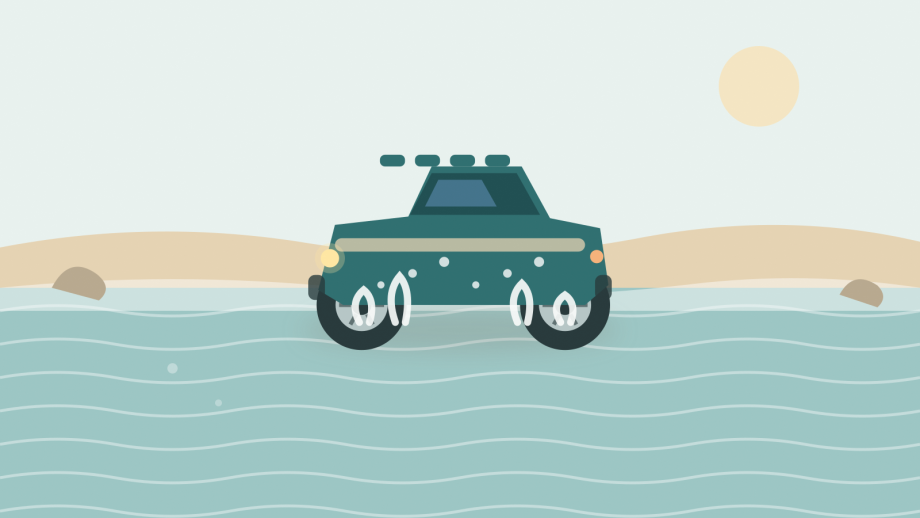
Check four things before buying an amphibious RC car: the surfaces your child will actually use, what the controller and battery setup includes, what “waterproof” means for this model, and how you will clean and dry it afterwards. The OZShopper listing describes a 4WD stunt car that runs on sand, rocks, concrete and water, with a rechargeable battery and a claimed 60-plus minutes of play. It does not state a water depth, control range, top speed, charge time or a full box contents list.
1. Match the car to likely play surfaces
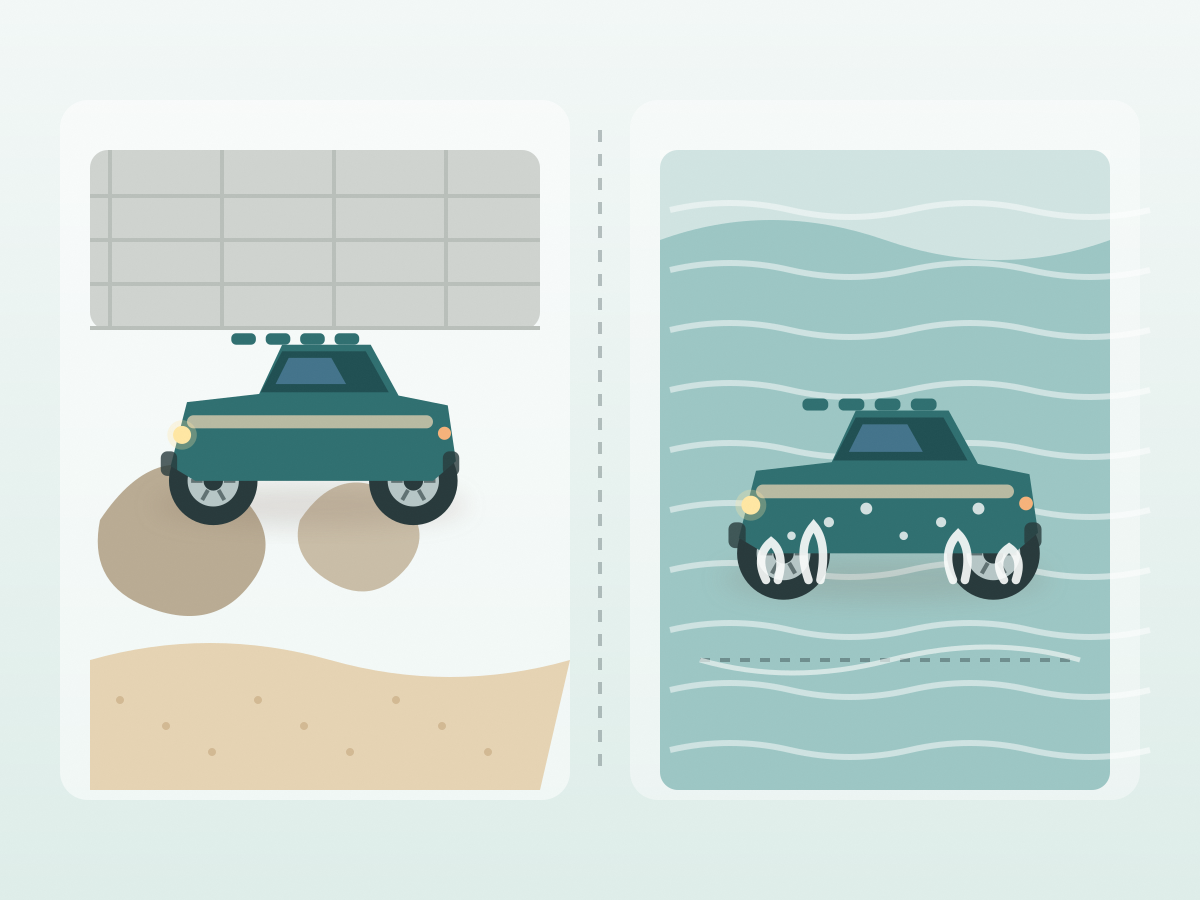
Four-wheel drive and large treaded tyres suit short grass, gravel, packed sand, concrete and paving. They are not a guarantee on deep soft sand, thick mud, long grass or steep slopes, where any toy-grade car can bog down or overheat. The listing’s claim that the car runs over sand, rocks, concrete and water is a seller description, so treat the roughest surfaces as a test rather than a promise.
The stunt moves, including upright driving and 360-degree spins, need a flat, high-grip surface. They will not work reliably in soft sand or shallow water, and trying them on a hard surface indoors risks scuffs and knocked furniture. If stunts are the main appeal, plan a clear area outdoors and keep other people and pets back.
At 1.424 kilograms, this is a substantial toy rather than a pocket-sized car. Check that your child can carry it back to the house and that you have somewhere to store it. The listing suggests around ages 8 to 12, and adult supervision near water is sensible regardless of the age on the box. The amphibious RC stunt car is best suited to a family that has outdoor space and a place to rinse and dry it.
2. Check remote and battery details on the listing
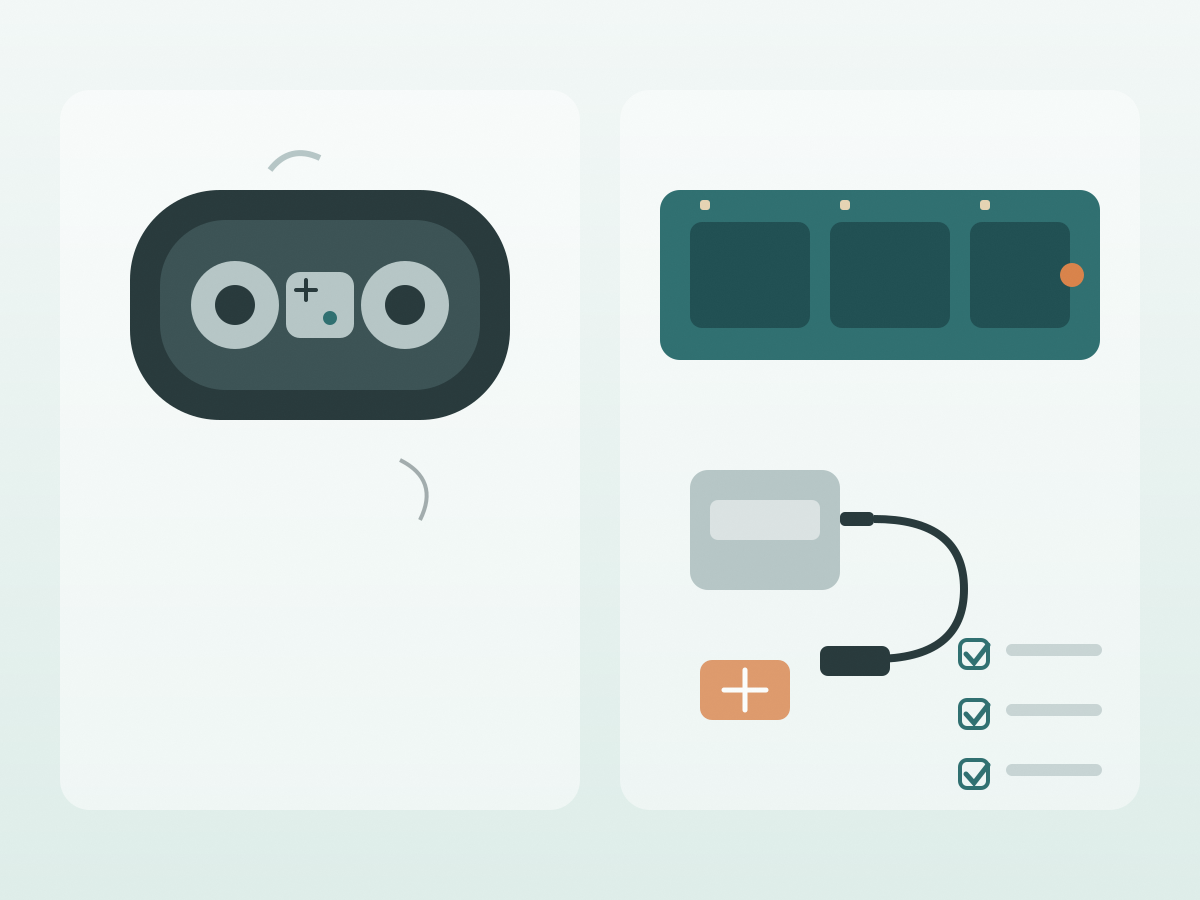
The listing says the car uses 2.4GHz control and a rechargeable battery that delivers over 60 minutes of play. It does not state the battery capacity, the charge time, whether the charger is included, whether the battery is removable, or what batteries the controller needs. Ask before you order, because those details decide whether the car is usable on the day it arrives.
Confirm the box contents in writing: car, controller, battery, charger or cable, stickers and any tools. The page’s “in the box” line mentions the car with its brick-compatible shell and accessories, but it is not a complete packing list. If the controller needs disposable batteries, buy them in advance. If the car battery is removable, a spare extends a play session; if it is built in, plan charging breaks.
The 60-minute figure is a seller claim and will vary with throttle, surface, temperature and battery age. Range is not stated either, so keep the car in sight and within a distance you can walk to retrieve it. Avoid roads, crowded parks, and water deeper than you are willing to wade into. The 2.4GHz system is described as supporting multiplayer without interference, which is useful if you own more than one compatible car, but check the pairing instructions.
3. Separate water resistance from submersion claims
The title says waterproof and the description says amphibious, but neither gives an IP rating, a maximum depth or a time limit in water. In toy listings, “waterproof” can mean the electronics are protected from splashes and short shallow running, not that the car can be submerged, left in a pond or driven through waves. Until the seller confirms otherwise, treat water as a shallow surface to drive across, not a place to sink the car.
Before any water use, check that the battery compartment is sealed, the charging port cover is closed and the tyres are fitted properly. Drive in the shallows with an adult nearby, and stop immediately if the car slows, steers oddly or makes a changed sound. If water does get inside, switch it off, remove the battery if possible and let everything dry completely before charging.
Salt water, sand and grit are harder on a toy than clean fresh water. Avoid the surf, and do not hose the car directly into ports or seals. A damp cloth and a soft brush are safer than a jet of water. If the seller has specific rinsing instructions, follow those instead of general advice.
4. Plan cleaning and drying after outdoor play
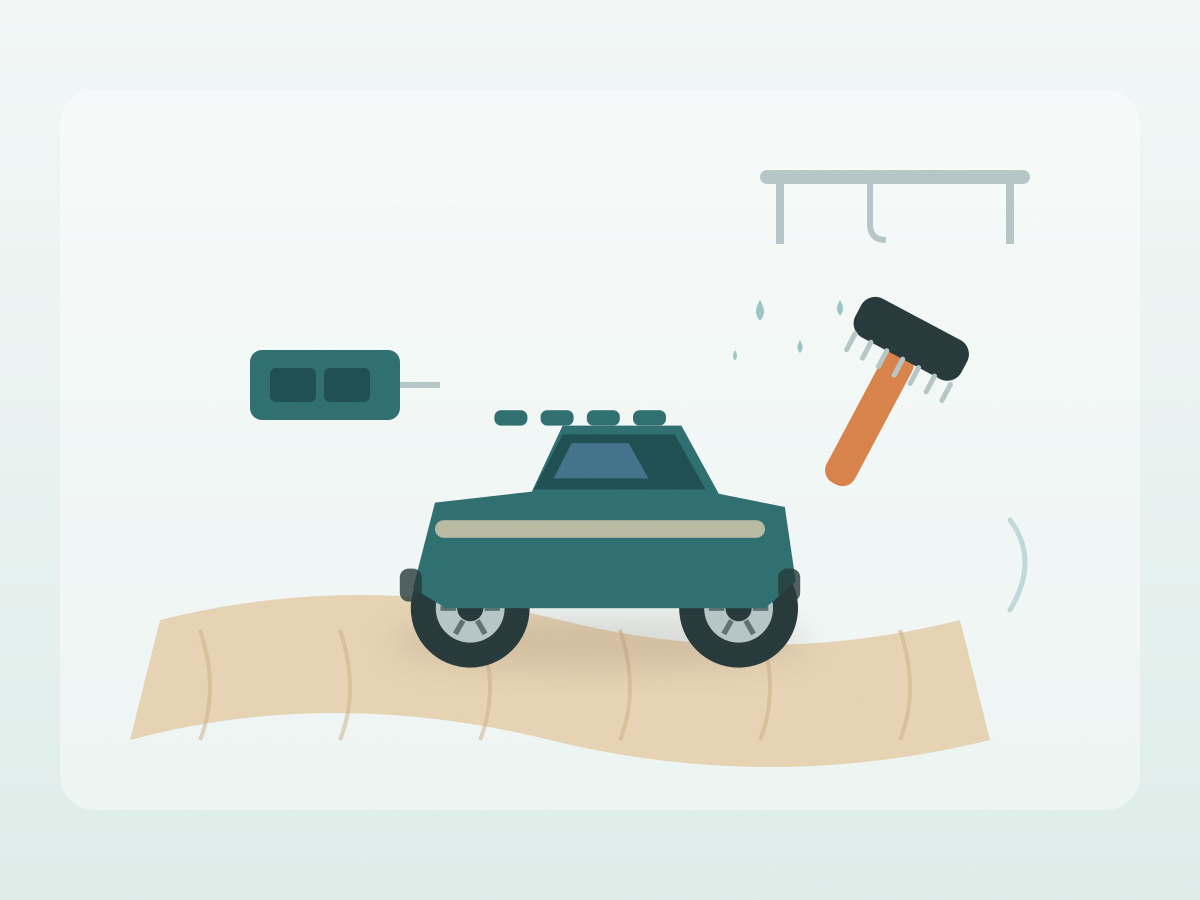
Remove the battery before cleaning. Brush dry sand and grit off the tyres, wheel arches and body, then wipe the shell with a damp cloth. Keep water away from the battery compartment, charging port and any openings, and do not use solvents or oils on the plastic or tyres.
Dry the car with a towel and leave the battery compartment open in a ventilated spot until every trace of moisture is gone. Do not charge a wet battery or pack the car away damp. Check the tyres for embedded stones, and inspect the seals and screws after a session in sand or water.
For storage, remove the battery if the car will sit unused for a while, and keep it indoors rather than in a hot shed or car. A clean, dry car with a charged battery is ready for the next outing; a damp one with a forgotten battery is how a good toy gets ruined.
Before you buy: a short checklist
- Confirm the surfaces you will use are within the car’s intended terrain.
- Ask for a full box contents list.
- Confirm battery type, charger, charge time and whether a spare is available.
- Check the controller’s battery requirements.
- Agree on shallow-water rules and supervision.
- Plan a cleaning and drying routine.
- Check the current price, stock and shipping on the listing.
Two common questions
Can the car be fully submerged?
The listing does not state a depth, time limit or IP rating, so do not assume it can be submerged. Treat it as a splash and shallow-water toy, and ask the seller for specific water guidance.
What batteries or chargers come in the box?
The page says the car has a rechargeable battery but does not clearly list the charger, cable or controller batteries. Confirm the full contents and the charging method before ordering.