
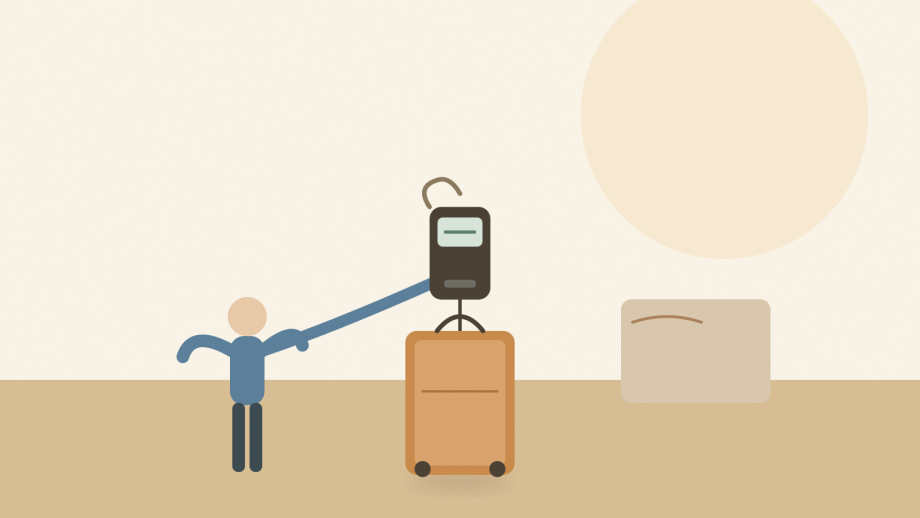
Weigh the packed bag at home, then weigh it again at the door. A handheld scale gives you a number to work with, but it is only useful if you lift smoothly, use the same method each time and compare the result with your airline’s current allowance. This scale lists a 50kg capacity, 85g body weight, a blue backlit display, tare and auto-off, and a claimed deviation of no more than 10g. Treat the accuracy figure as a seller claim and check your airline’s rules separately.
1. Show how to lift and weigh a suitcase safely
Pack the bag first, then attach the scale’s strap to the suitcase handle. Hook the scale so the bag hangs freely and the display faces you. Bend your knees, lift with both hands and hold the scale steady at about waist height rather than jerking it upward.
Wait for the reading to settle. A bag that is swinging will give a changing number, and a reading taken mid-lift can be several hundred grams off. Lower the bag, reset the scale if needed and repeat the lift to check that the number is consistent.
Use the tare function if you are weighing a bag inside a larger container or with a strap attached. Tare the extra item first, then add the bag. For most travellers, weighing the packed suitcase directly is simpler and less error-prone.
Do not lift beyond your comfortable limit. A 23kg bag is heavy, and a twisting lift can hurt your back. Ask someone to help, or weigh the bag on a bathroom scale by standing on it with the bag and subtracting your own weight.
2. Explain why a traveller should verify the airline allowance separately
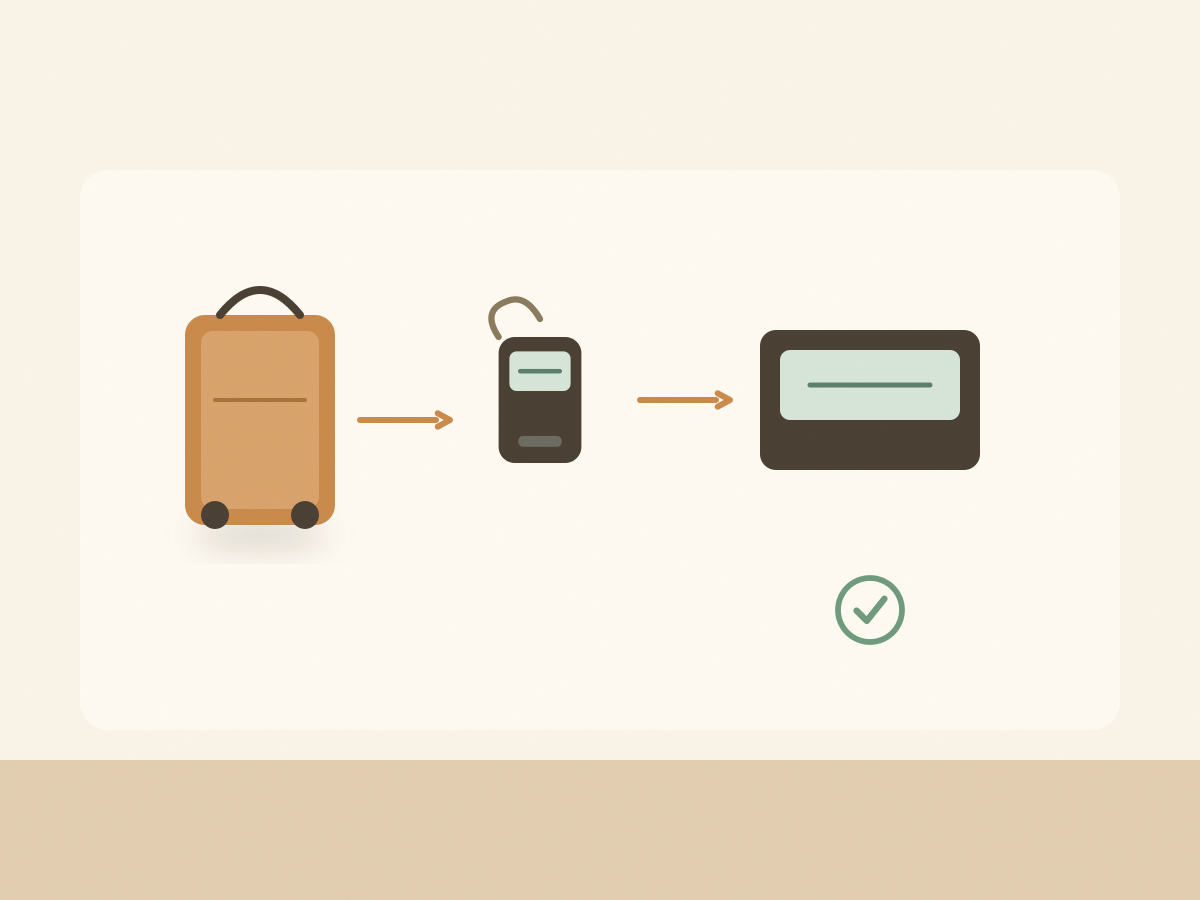
Airline baggage rules change, and they differ by route, fare class and ticket type. A scale tells you what the bag weighs; it does not tell you whether that weight is allowed. Check your booking confirmation or the airline’s current baggage page for the allowance that applies to your ticket.
Do not rely on a figure from a previous trip or a friend’s experience. Low-cost carriers may sell baggage in tiers, and a fare that included a checked bag last year may not include one now. The same airline can have different limits for domestic and international routes.
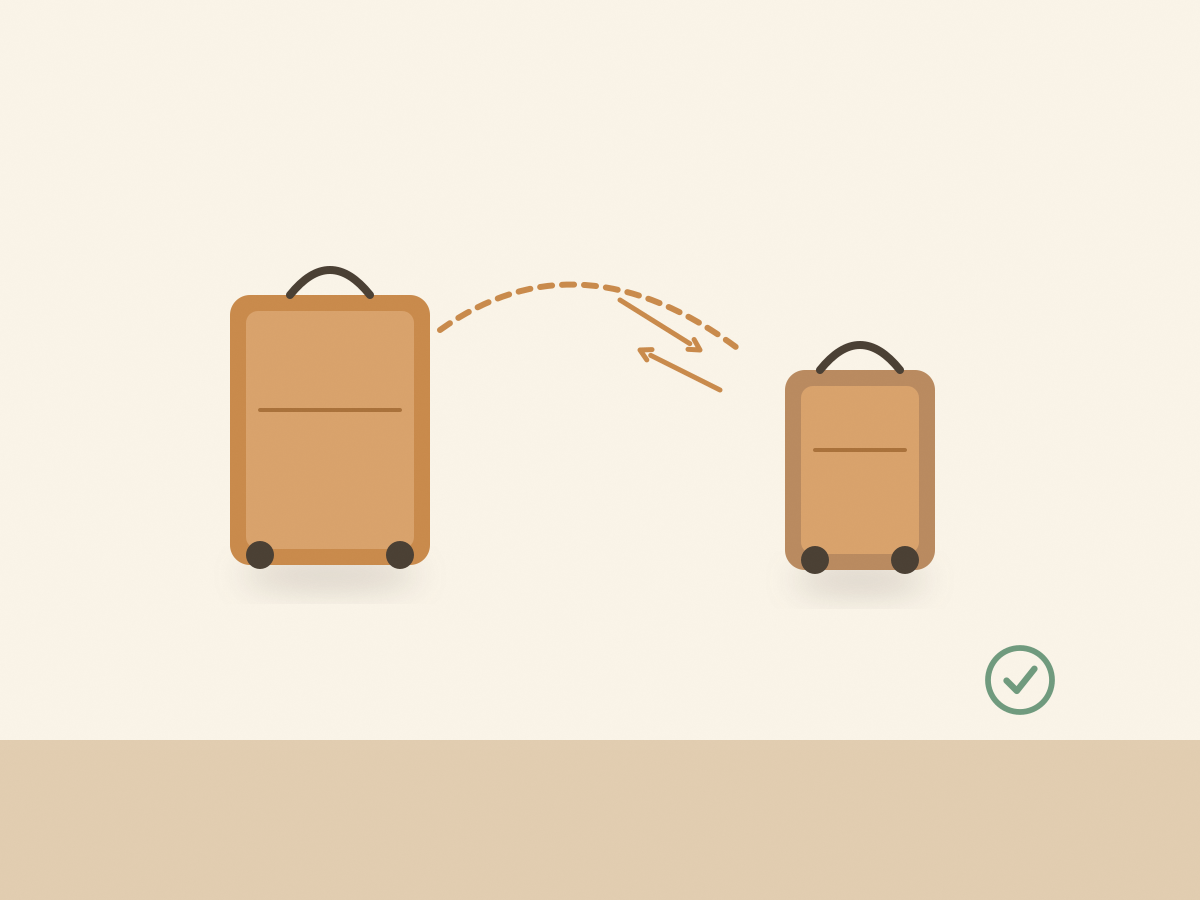
Weigh both the checked bag and the carry-on. A carry-on that is within the size limit can still be over the weight limit, and some airlines weigh cabin bags at the gate. A small handheld scale is useful for checking both before you leave home.
Leave a margin. Airport scales can differ slightly from yours, and a bag that reads exactly at the limit leaves no room for error. Aim for a kilogram under the allowance if you can, especially when the bag has a soft side that may settle during handling.
3. Check the scale’s stated maximum
The listing gives a maximum of 50kg or 110lb. That is far above a typical checked bag, which is useful if you also weigh boxes, tools or sports gear. Do not exceed the maximum, and do not drop the scale or use it as a lifting handle for more than the bag’s weight.
The claimed deviation is no more than 10g or 0.02lb. That is a seller specification, not an independent test result. If you need a precise number, compare the scale with a known weight or with the airport scale, and allow a small margin either way.
Check the units before you rely on the display. Many handheld scales switch between kilograms, pounds and ounces, and the listing does not describe the controls. Read the manual or test the button at home so you are not converting in a hurry at the airport.
The body is described as stainless steel over ABS, and the scale weighs about 85g. That is light enough to keep in a suitcase pocket, but the strap and hook are the parts that take the load. Check them for wear before each trip.
4. Plan a final packing checklist
Weigh the bag when it is nearly packed, then again after the last items go in. Shoes, chargers and toiletries are easy to add at the end, and a bag that was under the limit can creep over. Keep the scale near the door so the final check is easy.
If the bag is over, move heavy items into the carry-on or wear them. Do not simply sit on the bag to close it; that adds stress to the zip and can damage the frame. A bag that is hard to close is also harder to weigh accurately.
Use the included luggage tag if it suits your bag. The listing describes an aluminium alloy tag with steel straps. Write your details on a card and attach it where it will not catch on a conveyor belt, and check that the strap is secure before you check the bag in.
Keep a spare battery for the scale if it uses one, or check that the battery is included before you travel. A scale that dies at the airport is not useful, and the listing does not state the battery type.
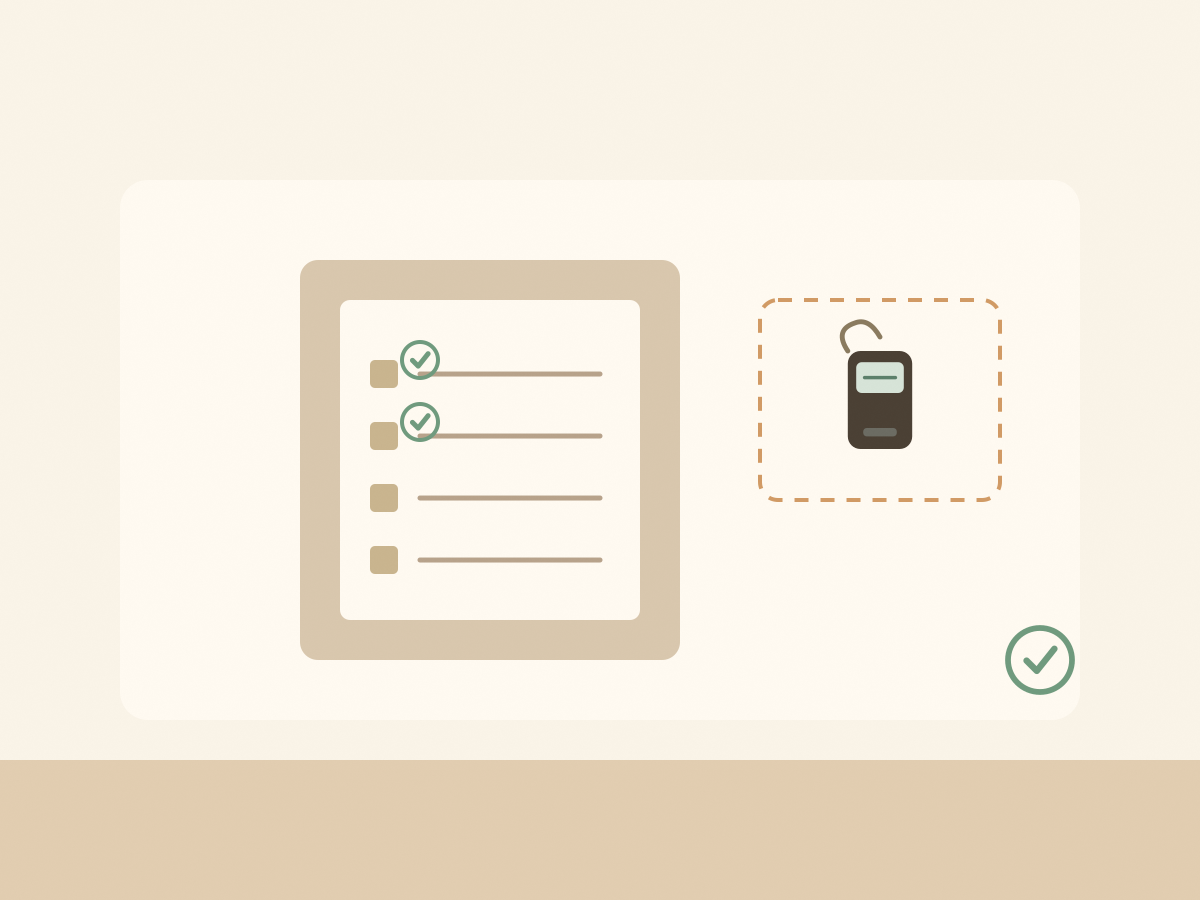
The portable luggage scale is a simple way to avoid guesswork before a flight, provided you verify the airline allowance and allow a margin. Confirm the battery, units and strap condition before you rely on it.
Before you buy: a short checklist
- Check the 50kg maximum suits your heaviest bag.
- Confirm the units and how to switch them.
- Ask whether a battery is included.
- Check the strap and hook for wear.
- Treat the 10g accuracy figure as a seller claim.
- Check your airline’s current allowance separately.
- Weigh both checked and carry-on bags.
- Check the current price, stock and shipping on the listing.
Two common questions
What maximum load is advertised?
The listing states 50kg or 110lb. Keep the load within that figure and do not exceed it.
Is the luggage tag included?
Yes. The listing describes an aluminium alloy luggage tag with steel straps as part of the set.