
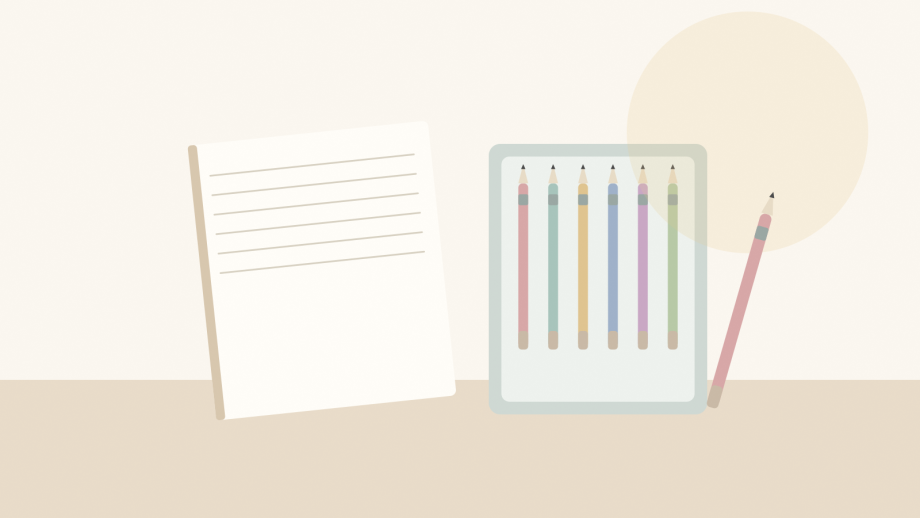
Build a study kit around one lead size and a fixed place for everything. This set includes six 0.7 mm mechanical pencils, two erasers, three refills and a storage case, which is enough for class notes, planning and light sketching without hunting for a sharpener. Check the lead quantity carefully, though: the title says 60 HB leads while the description lists three refills and does not say how many leads each refill contains.
1. Explain how the six pencils could be used at school or work
Six pencils are more useful than one because you can assign each a job. A common split is one for maths, one for English notes, one for diagrams, one for a planner and two as spares. Colour-coding subjects makes it easier to grab the right pencil without reading a label.
Pastel barrels are a cosmetic choice, but they also help you spot a missing pencil in a bag. If you work in an office, a small set in a drawer means you are not borrowing a pen that smudges or runs out mid-meeting.
Mechanical pencils suit people who dislike sharpening. A 0.7 mm lead is a middle ground: thick enough to resist breaking under normal handwriting, thin enough for tidy notes and simple sketches. It is not the finest line available, so if you need very detailed drawing, a 0.5 mm pencil may suit you better.
The listing calls the writing smooth. That is a seller description rather than a measured property, and the feel depends on the lead, the paper and how hard you press.
2. Check lead size and refill compatibility
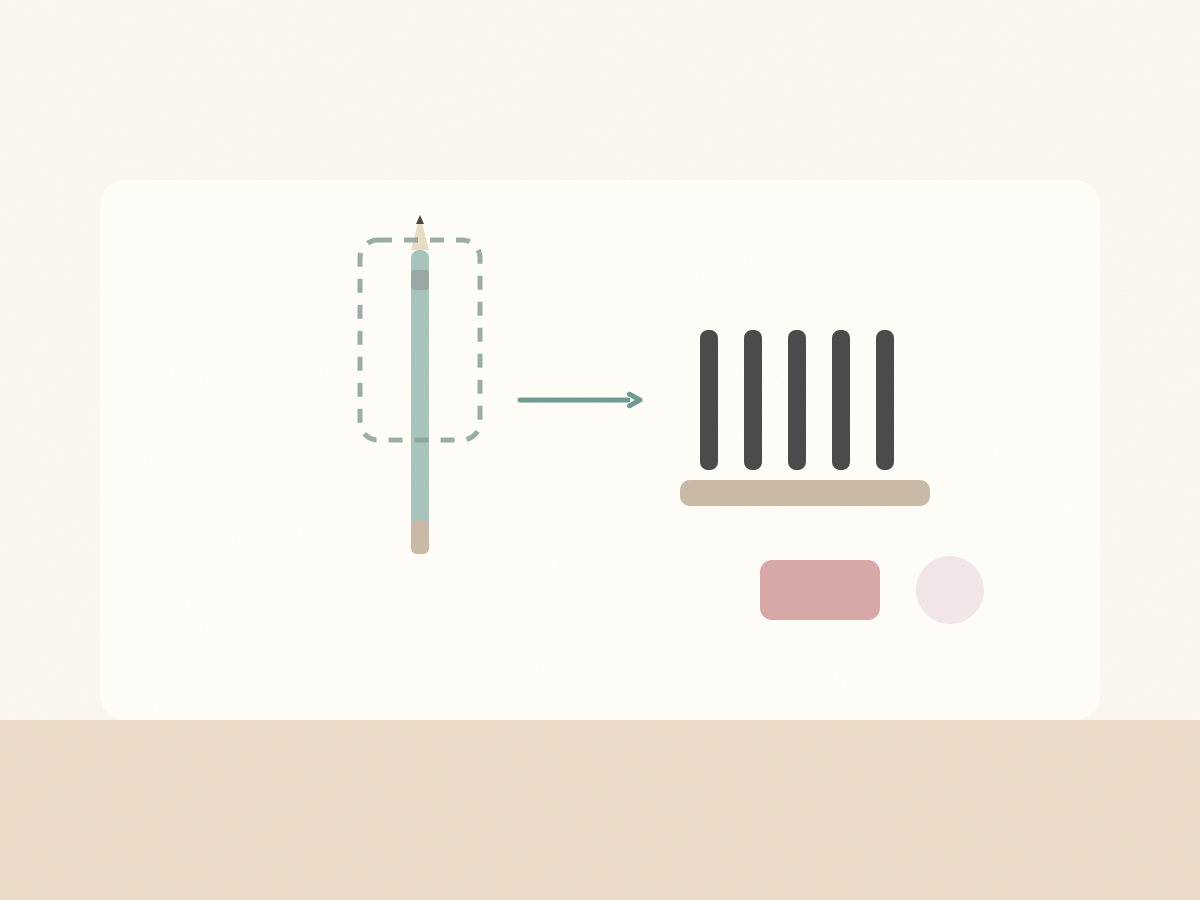
The pencils are described as 0.7 mm, and the refills are HB. Those two numbers are the ones to match when you buy more. A 0.5 mm lead will not work in a 0.7 mm mechanism without jamming or falling through, and a 0.9 mm lead will not fit at all.
Buy refills by diameter, not by brand name. The listing does not name a refill brand or state whether the pencils accept standard 0.7 mm leads from other manufacturers, but that is the common standard. Keep the packet or note the size so you can restock without guessing.
HB is the middle of the pencil hardness scale. It is a sensible default for writing and light drawing: darker than H, harder than 2B. If you prefer a darker line for sketching, you can usually buy 2B leads in the same diameter, but check the mechanism feels comfortable with them.
Lead breakage is usually caused by pressing too hard or extending too much lead. Click out a short length and let the pencil do the work.
3. Organise the stated HB leads and erasers
The set includes two erasers, but the listing does not say whether they are block erasers, pencil-cap erasers or refills for a built-in holder. Check the photos and the description before you rely on them for exam work, because a small cap eraser and a full block serve different purposes.
Keep the erasers in the case rather than loose in a bag. A dirty eraser smudges instead of lifting graphite, and a hard eraser can damage thin paper. If the erasers are small, store them in a pocket that closes.
The refill count needs clarification. Three refills could mean three small tubes of leads or three packs, and the title’s figure of 60 HB leads suggests a larger total. Ask the seller how many leads are actually included so you can judge whether you need to buy more.
Do not mix used and new leads in the same tube if you can avoid it. Short offcuts can jam the mechanism, and a jam is easier to prevent than to clear.
4. Plan a portable storage setup
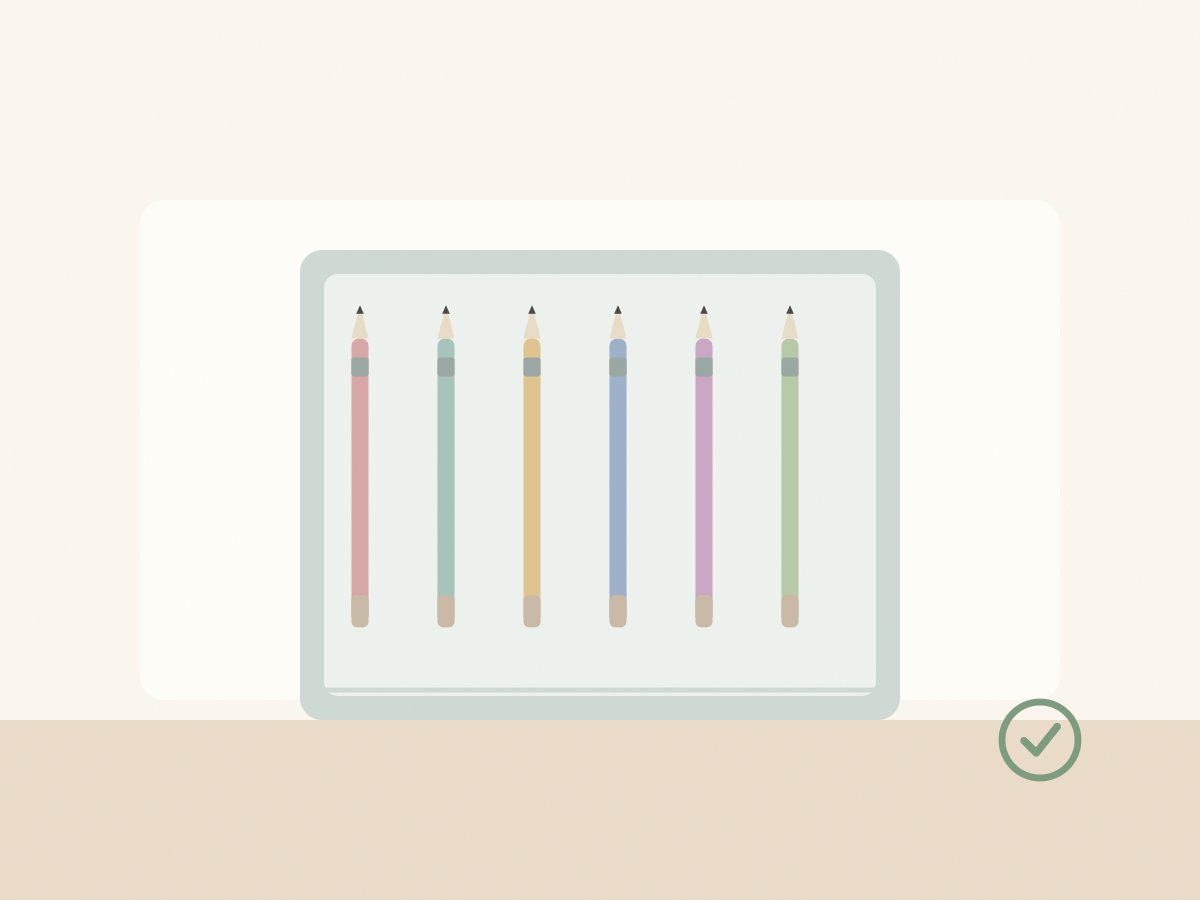
The included case is the obvious home for the set, but it only works if everything has a place. Put the pencils on one side, the erasers in a small pocket and the refills in a compartment where they will not spill.
If the case is soft, avoid overfilling it. A bulging case puts pressure on the pencil tips and can snap the lead inside the mechanism. If the case is rigid, check that the pencils do not rattle against each other.
For school, a pencil case inside a backpack is easier to find than loose pencils in a front pocket. Keep one pencil in a side pocket for quick notes, and leave the rest in the case so the set stays complete.
At home, a cup or a drawer divider works as well as the case. The important thing is consistency: if the pencils always live in the same place, you notice when one is missing.
The six-pack of mechanical pencils is a straightforward study kit if the refill quantity matches your expectations. Confirm the lead count, eraser type and case size before you order.
Before you buy: a short checklist
- Confirm the lead diameter is 0.7 mm.
- Ask how many leads the three refills contain.
- Check whether the title’s 60-lead figure is accurate.
- Confirm the eraser type and size.
- Check the case dimensions and material.
- Decide whether you need 0.5 mm for detailed work.
- Plan where the set will live at school or home.
- Check the current price, stock and shipping on the listing.
Two common questions
What lead diameter fits these pencils?
The listing describes 0.7 mm pencils, so use 0.7 mm refills. Do not substitute 0.5 mm or 0.9 mm leads.
How many HB leads does the listing mention?
The title says 60 HB leads, while the description lists three refills without a per-refill count. Ask the seller to confirm the total.