
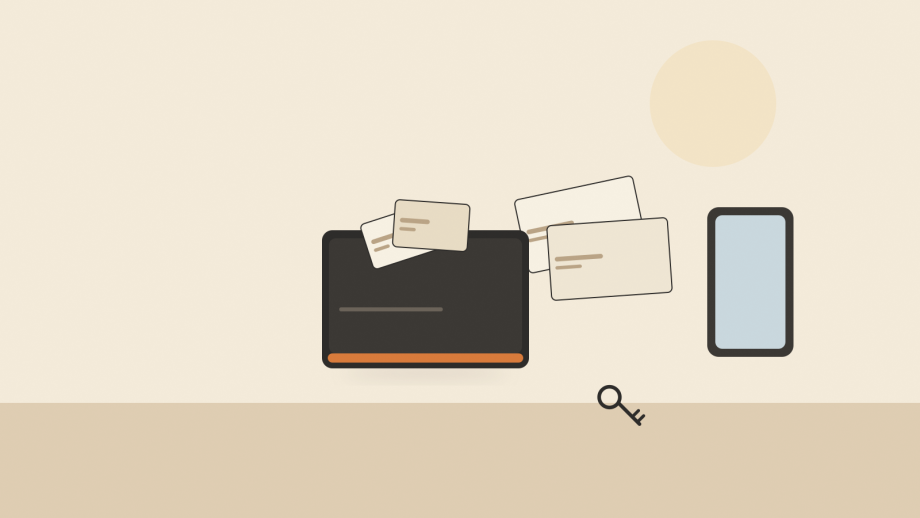
Count the cards you reach for every day before you look at the slot count. A slim wallet works when six or seven cards cover most of your week, with the rest kept in a second holder or at home. This listing describes an 11.3 x 8.5 x 1.8 cm wallet with 12 card positions, an ID window, a money clip and two external slots. The title says 12 holders, the description says 11 holders plus a clip and an ID window, and the RFID claim is not independently tested.
1. Decide how many cards need daily access
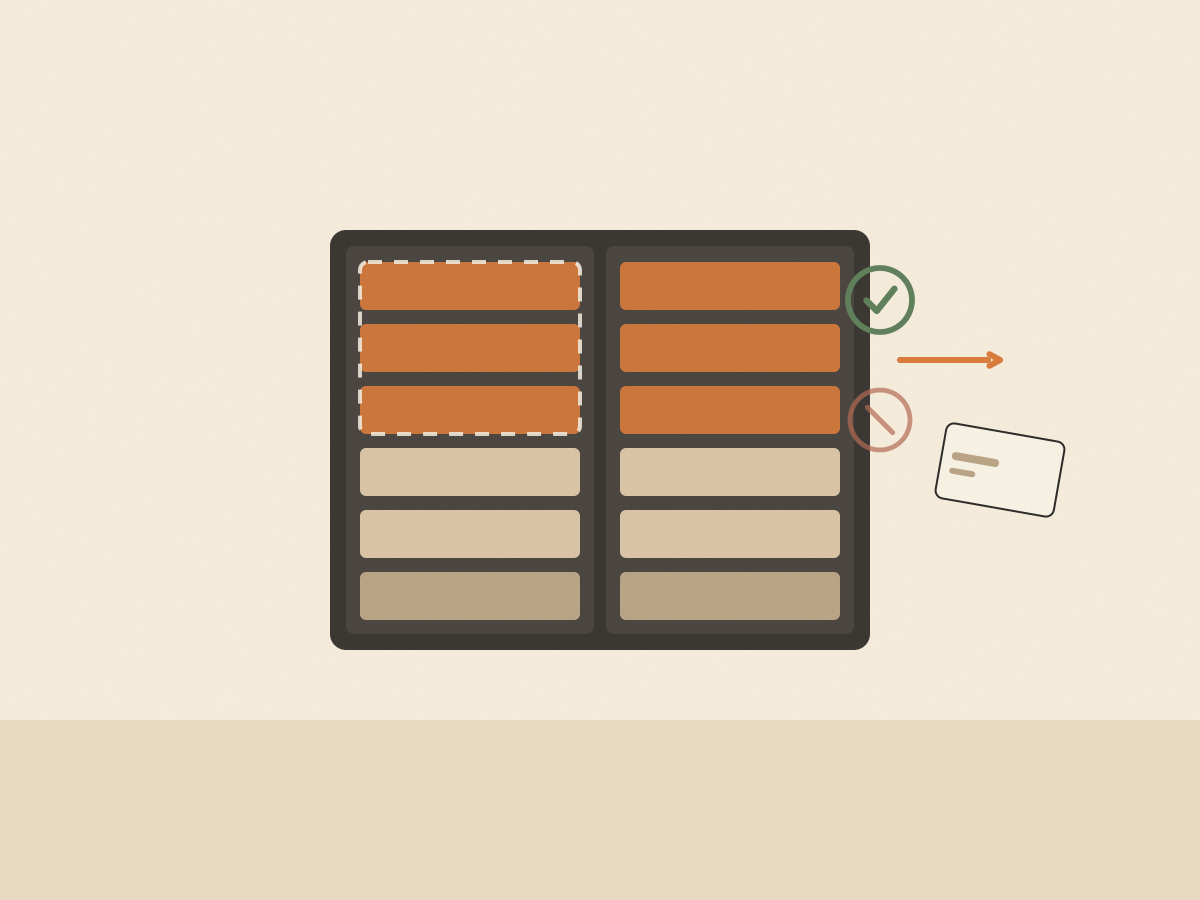
Empty your current wallet and sort the cards into three groups: used daily, used weekly and used rarely. The daily group usually includes a payment card, a transit card, a licence and one or two membership cards. That is the group the new wallet has to serve well.
A slim wallet is a compromise. Filling every slot makes it thick and stiff, which defeats the purpose. If you carry more than about eight cards, consider keeping the rarely used ones in a separate card case or a drawer.
The listing describes an aluminium chamber with a pop-up button for the main stack. That design is quick for the cards you use most, but it works best when the chamber is not overloaded. Test the pop-up action with your actual cards, including any thick or embossed ones.
Two external slots are useful for a transit card or a card you need without opening the wallet. Keep the external slots for cards you are comfortable exposing, not for the card you would least like to lose.
2. Check card slots, ID window and money clip
The title advertises 12 card holders. The description says space for up to 11 card holders, one money clip and one ID window. Those numbers do not quite match, so confirm the layout before buying. The two external slots may be counted within the 12 or may be extra.
An ID window is handy for a licence or a work pass, but it adds bulk and can crease a card over time. Check whether the window is on the inside or the outside, and whether it has a thumb cut-out for removal.
The money clip suits a few folded notes. It is not a coin pocket, and it will not hold a thick bundle without adding pressure to the cards. If you rarely carry cash, the clip is mostly a design feature.
Think about business cards. They are wider and flimsier than bank cards, and a tight slot can bend them. If you exchange cards often, keep them in a separate case rather than forcing them into the card stack.
3. Assess pocket thickness and colour preference
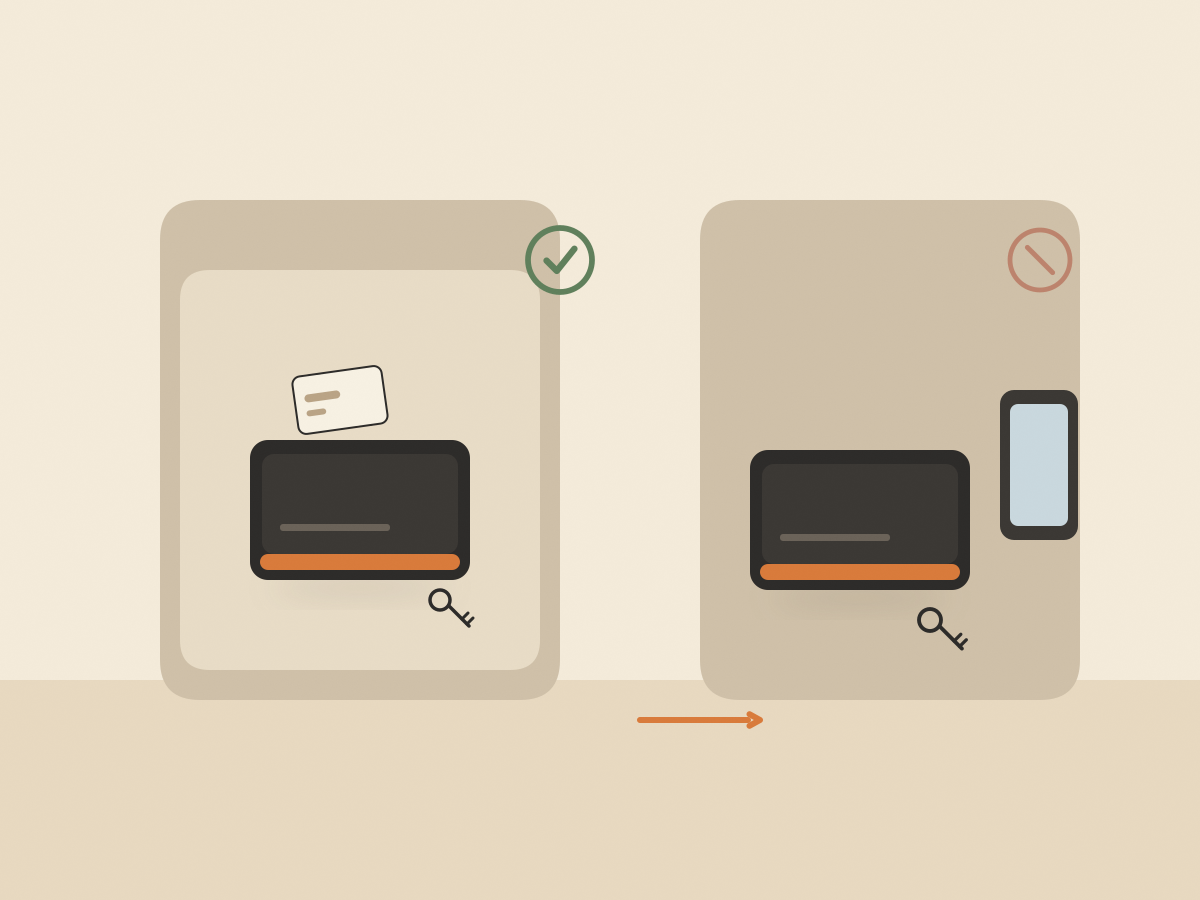
The stated size is 11.3 x 8.5 x 1.8 cm. That 1.8 cm is likely the empty thickness, and a full wallet will be thicker. Measure your front pocket and compare it with a stack of your daily cards plus the wallet’s body.
A wallet that fits a back pocket may still be uncomfortable when you sit down. A front-pocket carry keeps the wallet away from the seat and is easier on the lower back, but it needs a slimmer profile. Try the loaded wallet in the pocket you actually use before committing.
The listing offers a black and orange colourway. Colour is personal, but a bright interior helps you find cards in a dark bag. Check whether the orange is on the outside, the lining or both, because the photos may show a different combination.
The title mentions carbon fibre leather, while the description says the cover is PU with a water-resistant treatment and the chamber is aluminium. Those are different materials, so ask the seller to confirm before buying if the surface matters to you.
4. Explain what RFID blocking claims do and do not prove
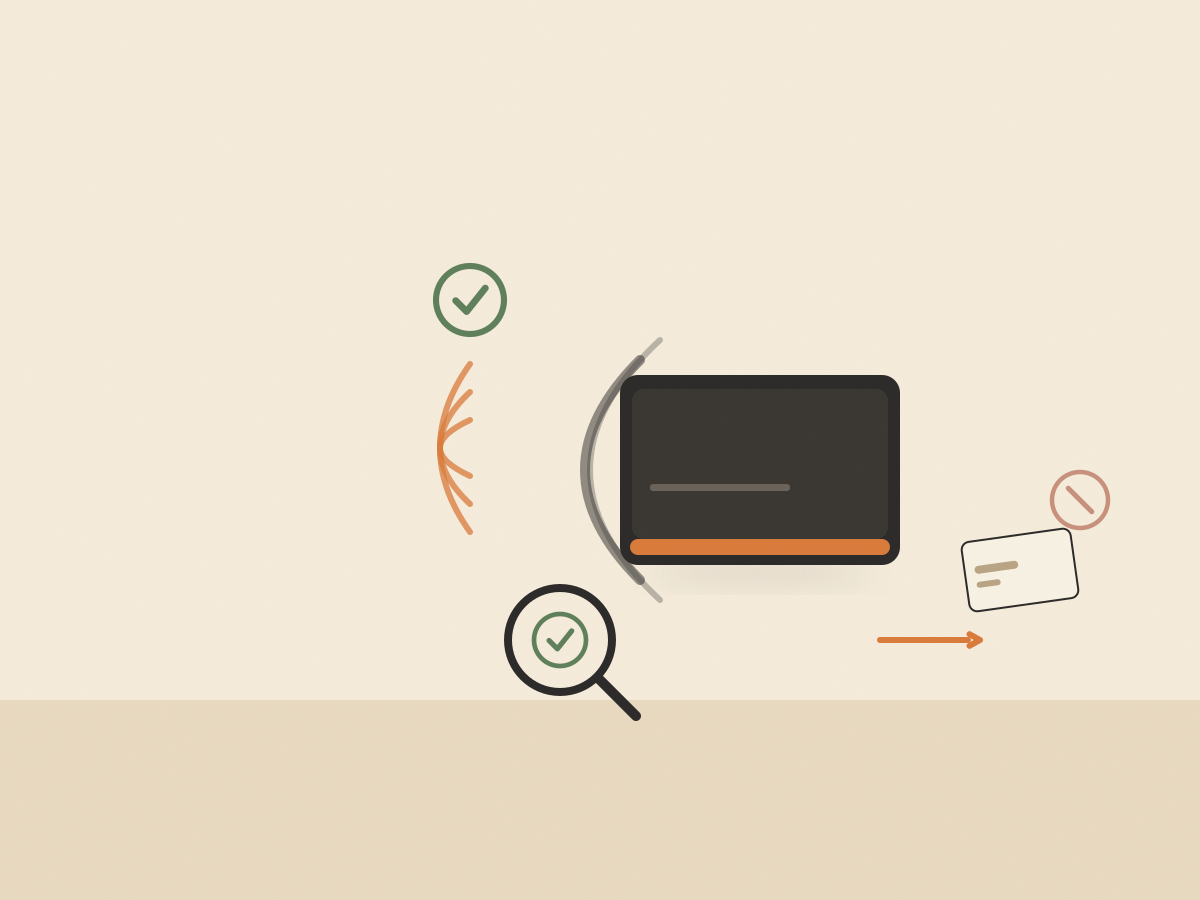
The seller says the wallet blocks RFID signals at 13.56MHz and above. That is the frequency used by many contactless bank cards, but a claim is not the same as an independent test. The listing does not include a test report or a certification.
RFID blocking depends on the shielding enclosing the card. If a card sits in an external slot outside the shielded chamber, it may still be readable. Keep the cards you most want to protect inside the main compartment, and close the wallet.
Blocking also does not protect every threat. Online fraud, card-not-present purchases and a lost card can all cause problems that a shield cannot prevent. Check your bank’s app for instant card locks and transaction alerts, and report a lost card immediately.
If RFID protection is the main reason you are buying, ask the seller for the test method and the frequency range covered. A vague claim is not enough to rely on for a high-limit card.
The slim black and orange card wallet suits a front-pocket carry if you keep the daily card count low and confirm the slot layout. Check the material, the 12-versus-11 capacity wording and the RFID test evidence before buying.
Before you buy: a short checklist
- Count the cards you use daily, weekly and rarely.
- Confirm whether the capacity is 12 or 11 plus a clip and ID window.
- Check whether the two external slots are included in that count.
- Measure your pocket against the loaded wallet.
- Ask whether the cover is PU or carbon fibre leather.
- Check the ID window position and thumb cut-out.
- Ask for RFID test evidence, not just the claim.
- Check the current price, stock and shipping on the listing.
Two common questions
How many card-holder positions are claimed?
The title says 12. The description says up to 11 card holders, one money clip and one ID window.
Has RFID-blocking performance been independently tested?
The listing does not provide a test report. Ask the seller for evidence before relying on it.