
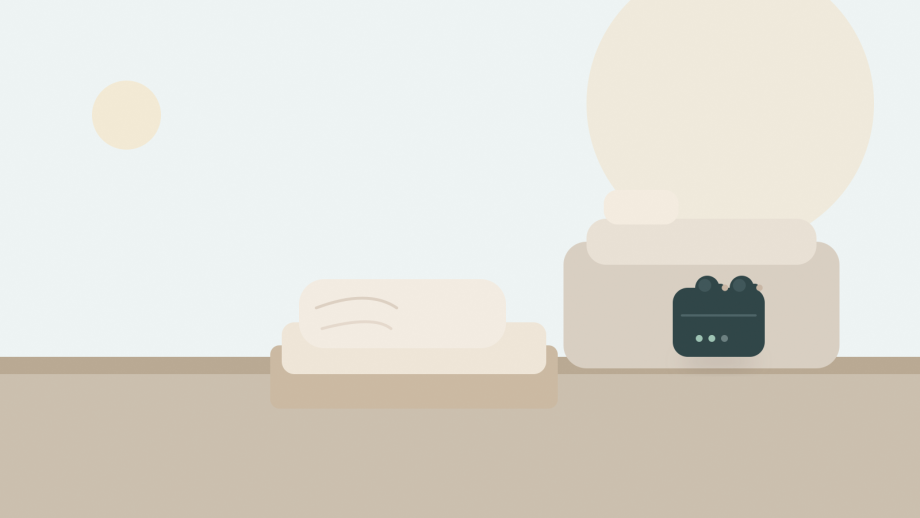
Look at the shape before the battery number. Earbuds for side sleepers need a low-profile shell that sits against the pillow without pressing into the ear, a soft tip that can be swapped for size, and a case that is easy to find at night. This grey pair lists Bluetooth 5.3, physical noise blocking up to 24dB, about 4.5 hours per charge and up to 27 hours with the case, plus three sizes of ear hooks and ear caps. It does not claim active noise cancellation or a water-resistance rating, so plan around those limits.
1. Consider the earbud profile for side sleeping
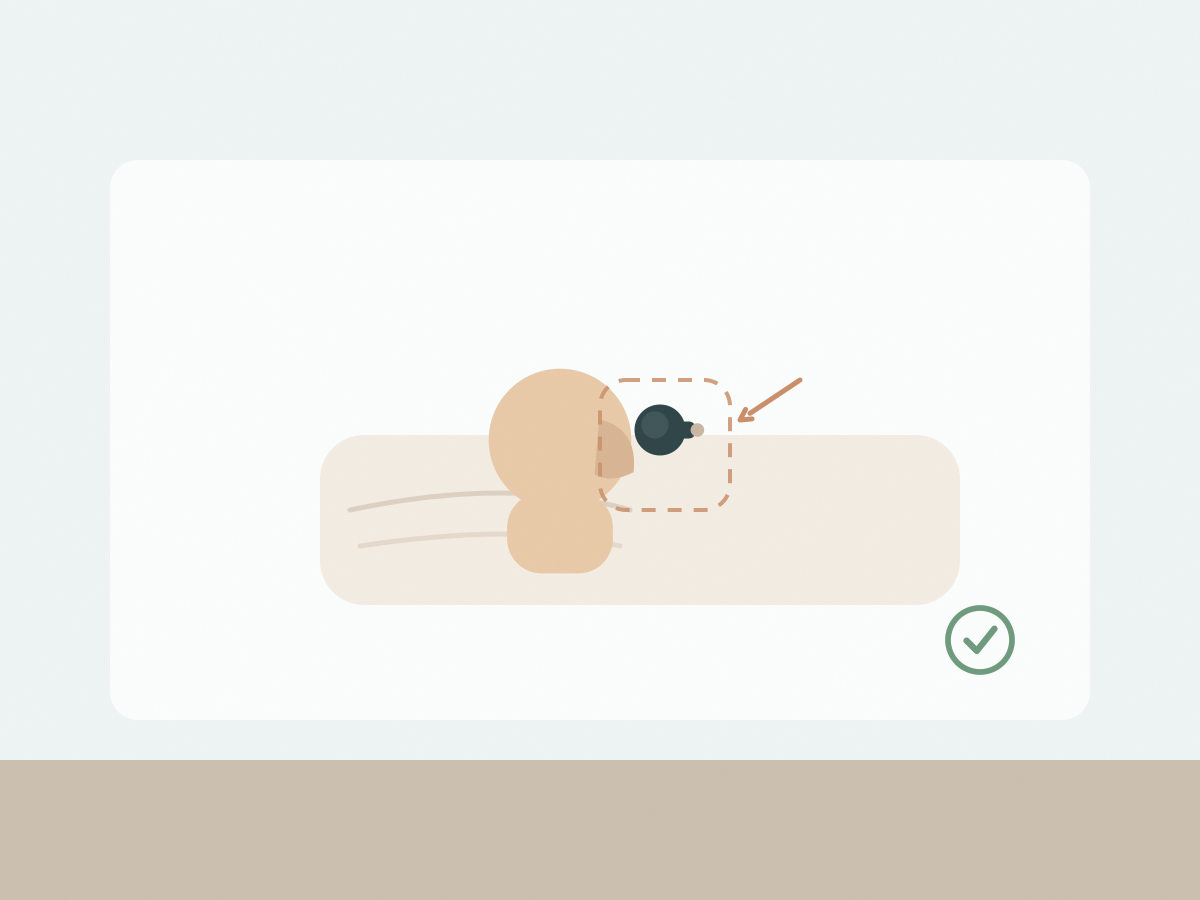
Side sleepers put pressure on the outer ear for hours. A bulky earbud that feels fine standing up can become painful by 2am, so the profile matters more than the driver specification. Look for a shell that sits close to the ear canal rather than projecting outward, and a tip that seals without being forced deep.
The listing describes a compact in-ear shape designed to sit more flush than standard earbuds, and includes three sizes of ear hooks and ear caps. That is useful because the hook carries some of the load and the cap controls the seal. Start with the smallest combination that stays put, then work up only if it feels loose.
Test each side while lying down, not sitting. Lie on a pillow for ten minutes, then turn over. If you feel pressure at the front of the ear, change the tip or stop using it for sleep.
Do not sleep on a hard pillow if you can avoid it. A softer pillow lets the ear sink in slightly, which reduces the pressure point. A pillow with an ear cut-out can help, but check that it does not push your neck into a poor position.
2. Separate noise blocking from active noise cancellation
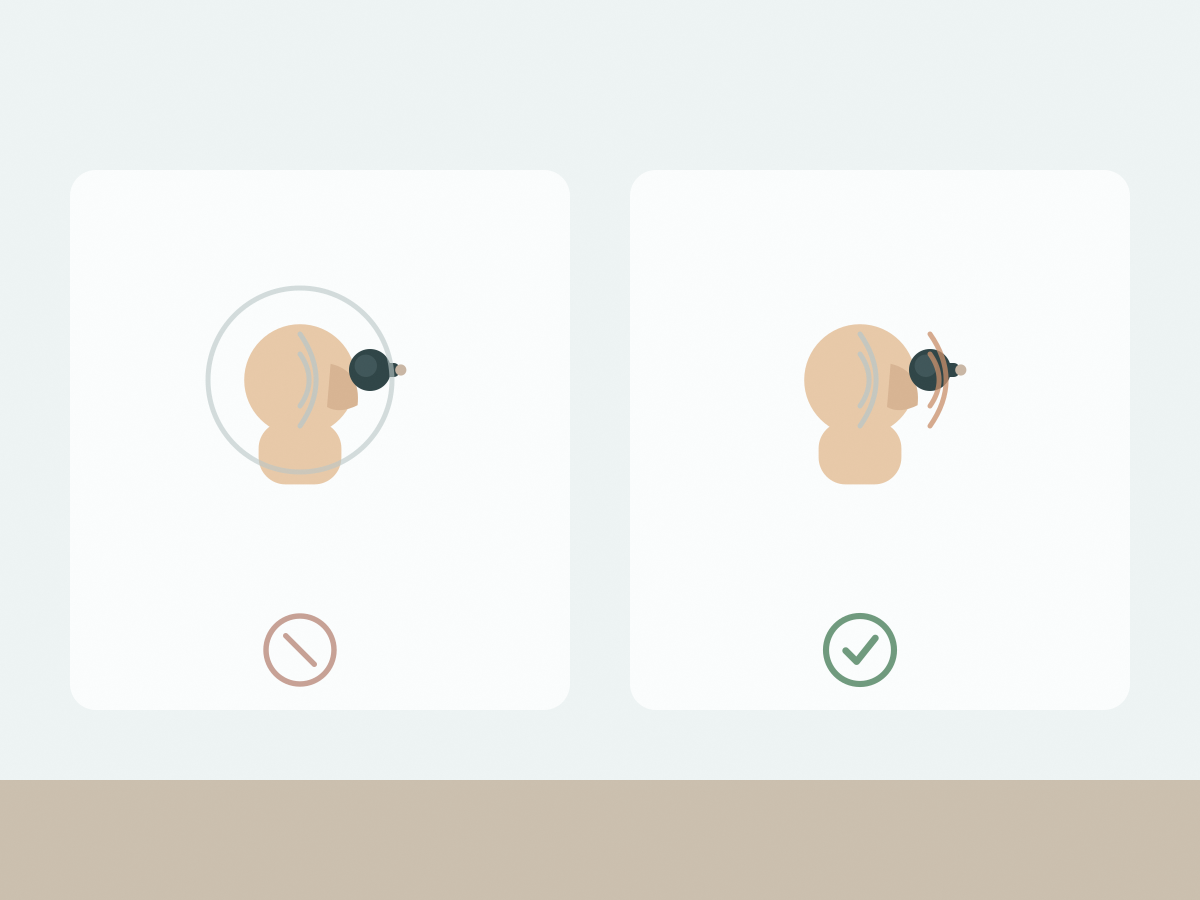
Physical noise blocking works by sealing the ear canal so less sound reaches the eardrum. Active noise cancellation uses microphones and electronics to cancel some of the incoming sound. They are different technologies, and the listing describes only the physical type, with a seller claim of up to 24dB.
That distinction matters on a plane or beside a snoring partner. Passive blocking is good at dulling steady low-frequency noise, but it depends heavily on the fit. If the tip does not seal, the real-world reduction will be much lower than the claim. Active cancellation can help more with engine drone, but it needs power and electronics.
Do not expect these earbuds to remove all sound. They are described for white noise, music, podcasts, audiobooks and meditation, which is a realistic use case: the earbud plays a masking sound while the tip blocks some external noise.
If you need silence rather than audio, a dedicated foam earplug may block more, but it cannot play white noise. Decide which job matters more before you buy.
3. Check how battery runtime is measured
The listing says up to 4.5 hours of listening per charge and up to 27 hours with the charging case. Those are seller figures, and they usually assume a moderate volume. At a higher volume, or with repeated reconnects, the earbuds will run down sooner.
Read the 27-hour figure carefully. It is a combined number: the earbuds plus the case, not 27 hours from one earbud charge. If you sleep for eight hours, you will likely need the case partway through the night, or a lower volume and a shorter session.
The case has battery lights for status checks, but the listing does not state the charging time or the case capacity in mAh. Ask if you plan to rely on it for several nights without mains power. A quick top-up before bed is more practical than expecting a week of use.
Battery life also depends on the features you use. Bluetooth 5.3 is described as power-efficient, but the listing does not give a codec list or a low-power mode. Keep expectations modest and charge the case regularly.
4. Plan a comfortable trial and storage routine
Give yourself a trial period before relying on the earbuds for a full night. Use them for an evening of listening, then a short nap, then a full night. Stop if you develop soreness, itching or a blocked feeling that does not settle.
Clean the tips regularly with a dry cloth and replace them if they harden or tear. Do not push water into the nozzle or the charging contacts. The listing does not state a water-resistance rating, so keep them away from showers, rain and spilled drinks.
Store the earbuds in the case rather than loose on a bedside table. A small case is easier to find in the dark and protects the tips from dust. If you listen in bed, keep the charging cable away from the pillow and unplug the case once it is charged.
Check the ear hooks for stretching. A hook that has lost its shape will not keep the earbud in place, and a loose earbud can fall out during sleep. Replace worn tips or hooks rather than taping them.
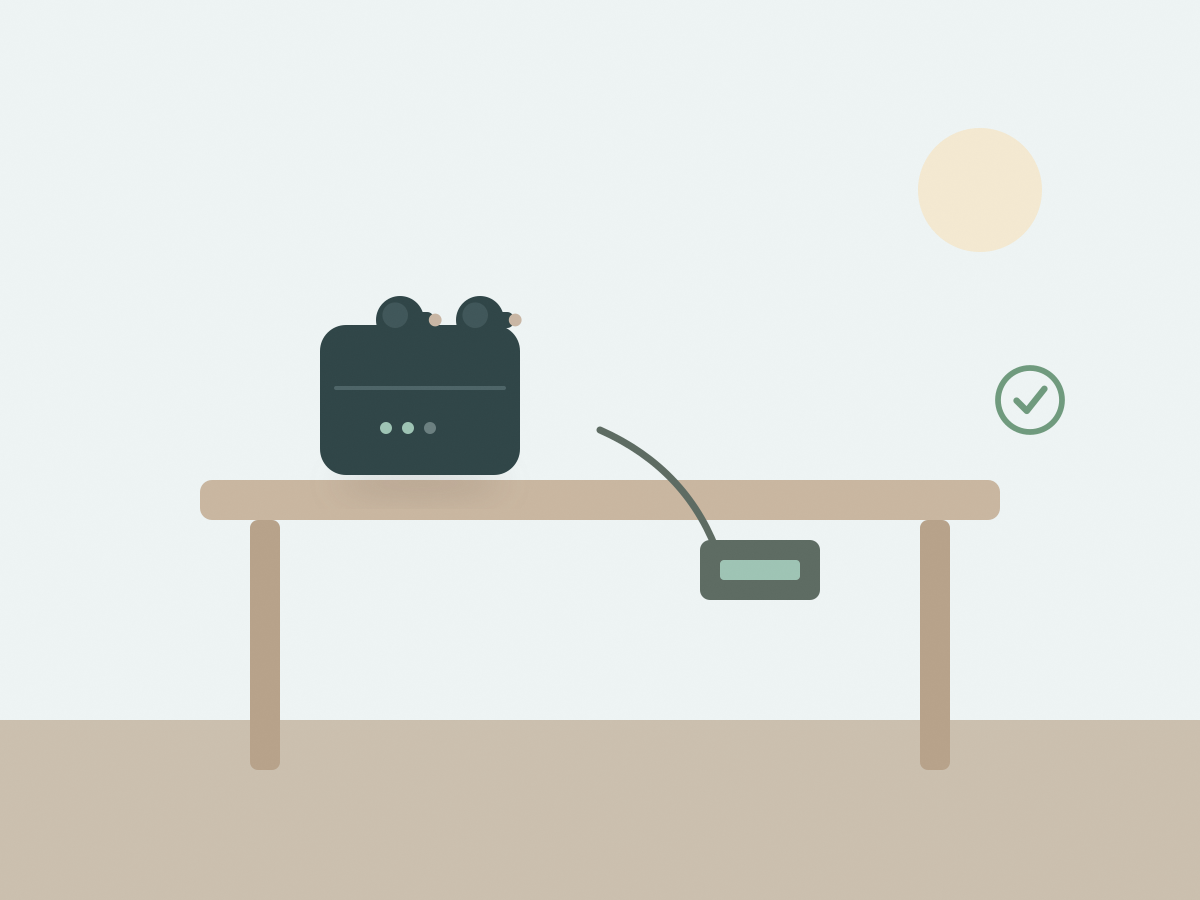
The grey wireless sleep earbuds are a reasonable option if you want a low-profile earbud for white noise and gentle audio, not a noise-cancelling device. Confirm the charging time, tip sizes and return terms before you buy.
Before you buy: a short checklist
- Check the earbud shape suits your ear and pillow.
- Confirm three ear-hook and three ear-cap sizes are included.
- Do not expect active noise cancellation.
- Treat the 24dB blocking figure as a seller claim.
- Read 27 hours as earbuds plus case, not one charge.
- Ask for the charging time and case capacity.
- Check the return policy before a sleep trial.
- Check the current price, stock and shipping on the listing.
Two common questions
Does the listing claim active noise cancellation?
No. It describes physical noise blocking up to 24dB, which is a different technology and depends on a good seal.
Is the advertised 27 hours per charge or with the case?
With the charging case. The listing gives about 4.5 hours per earbud charge and up to 27 hours combined with the case.